
Sodium Humate for Ceramics: Benefits of a Natural Ceramic Processing Additive
2026-07-28

The ceramic industry continues to evolve toward higher production efficiency, improved product quality, and more sustainable manufacturing practices. Whether producing ceramic tiles, sanitary ware, tableware, refractory materials, or industrial ceramics, manufacturers constantly seek processing additives that can improve slurry performance, reduce production defects, and increase production efficiency. Among the many materials used in ceramic manufacturing, Sodium Humate For Ceramics has become a highly effective solution because of its multifunctional properties. As a natural ceramic processing additive, sodium humate not only improves ceramic slurry dispersion but also enhances plasticity, increases green body strength, and contributes to more stable production processes.
-
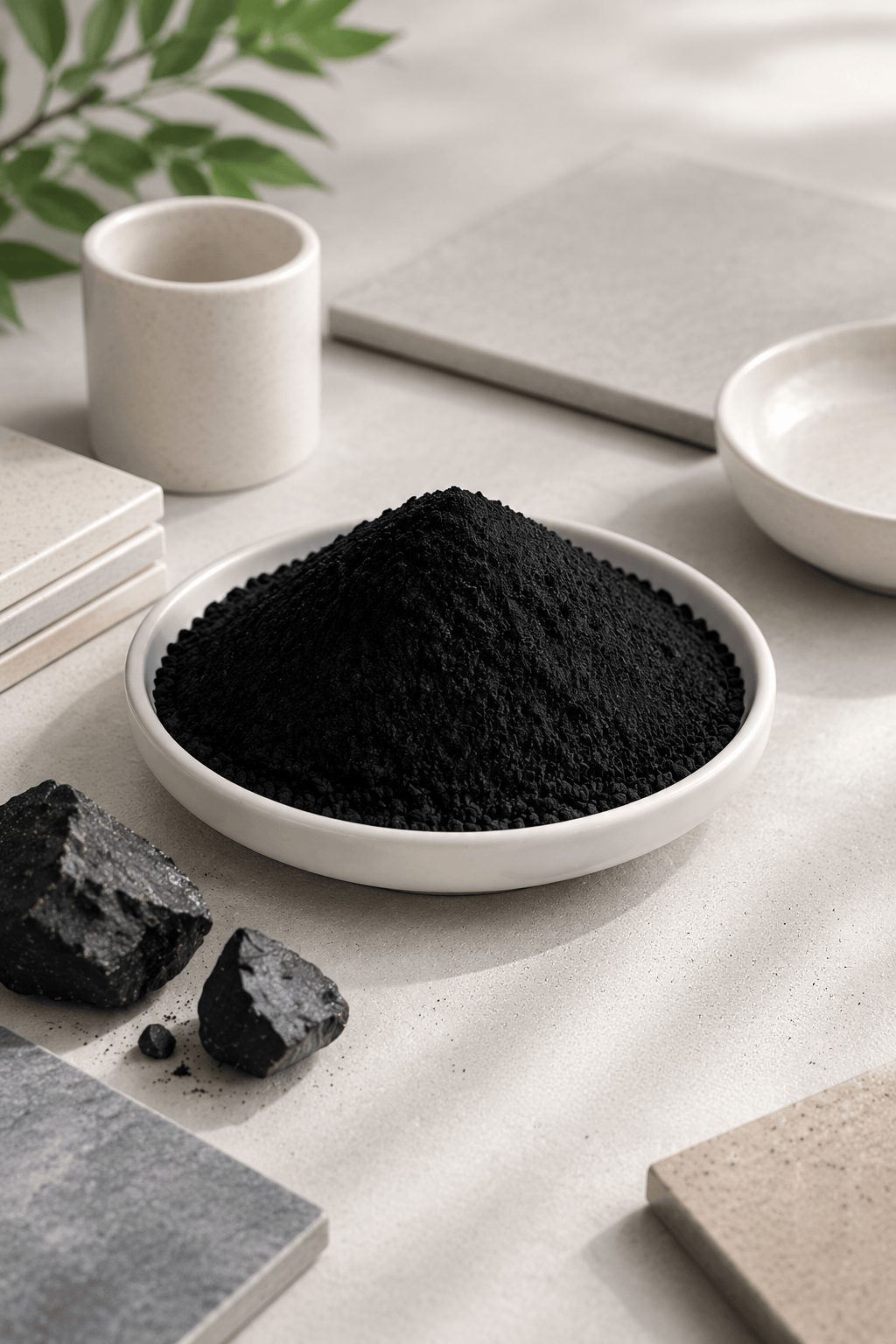
1. WHAT IS SODIUM HUMATE FOR CERAMICS
-
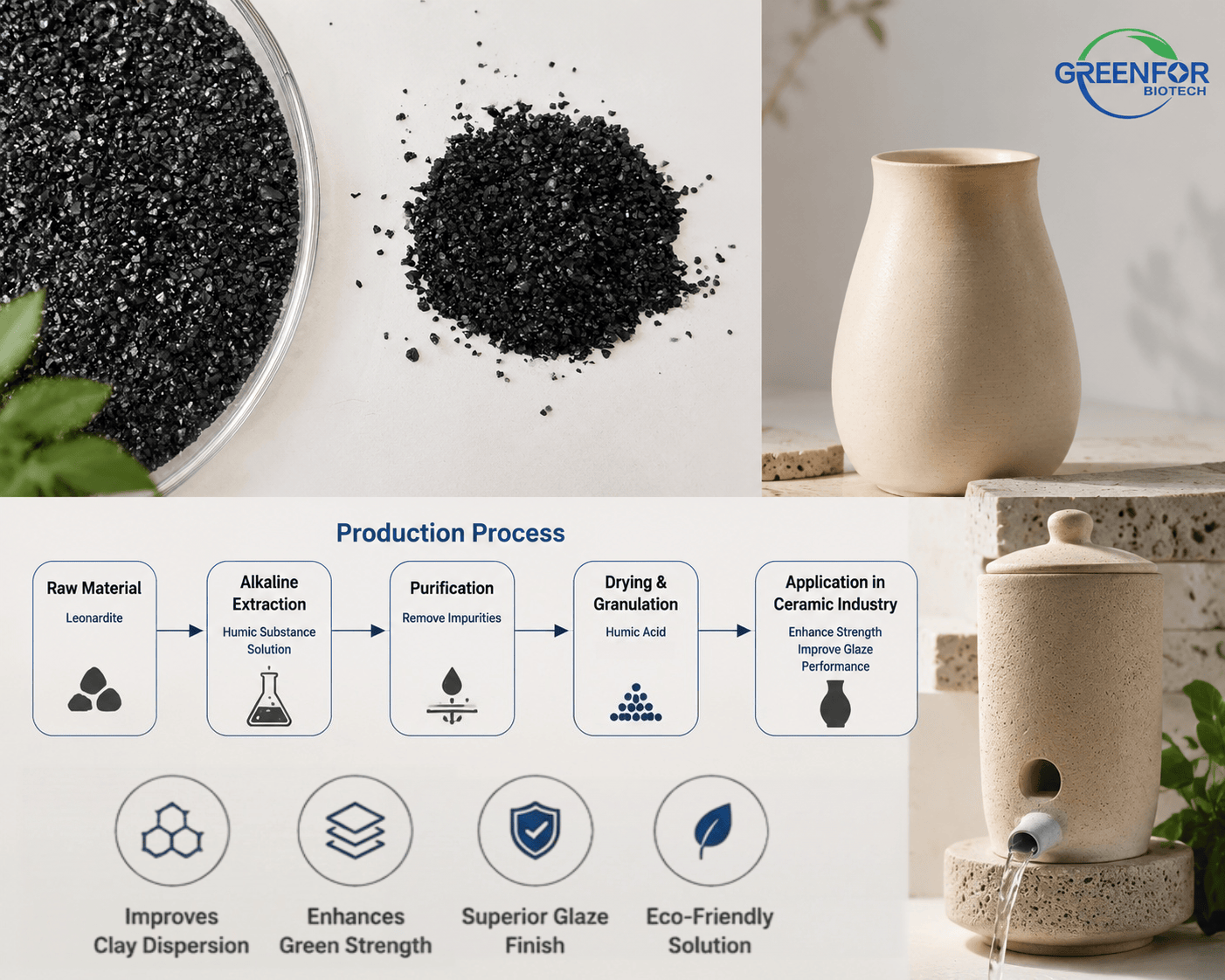
Sodium Humate For Ceramics is a naturally derived organic material produced from high-quality leonardite through extraction. Rich in humic substances, it contains functional groups such as carboxyl and phenolic hydroxyl groups, which provide excellent dispersing, adsorption, and binding capabilities.
-
Unlike conventional synthetic additives that often perform only a single function, sodium humate for ceramics acts as a multifunctional ceramic processing additive throughout ceramic production. It interacts with clay particles and mineral surfaces, helping improve particle distribution while reducing undesirable particle aggregation.
-
Research has shown that humic-based ceramic additives are capable of significantly improving ceramic slurry performance. Their molecular structure allows ceramic particles to remain more evenly dispersed, resulting in better slurry stability and improved forming performance.
-
Because sodium humate for ceramics originates from natural humic substances, it also offers a more environmentally friendly alternative compared with some conventional chemical additives. As environmental regulations continue to become stricter worldwide, many ceramic manufacturers are exploring natural materials that combine excellent processing performance with sustainability.
Because sodium humate for ceramics originates from natural humic substances, it also offers a more environmentally friendly alternative compared with some conventional chemical additives. As environmental regulations continue to become stricter worldwide, many ceramic manufacturers are exploring natural materials that combine excellent processing performance with sustainability.
-
Today, sodium humate for ceramics is widely recognized as an important ceramic processing additive for improving ceramic manufacturing efficiency while reducing production challenges.
Today, sodium humate for ceramics is widely recognized as an important ceramic processing additive for improving ceramic manufacturing efficiency while reducing production challenges.
-
2. KEY BENEFITS OF SODIUM HUMATE FOR CERAMICS
-
a. Excellent Slurry Dispersion
Stable slurry is essential for consistent ceramic production. As a natural ceramic processing additive, sodium humate for ceramics improves particle dispersion by reducing agglomeration and enhancing slurry stability.
-
Research indicates that humic acid-based additives improve slurry fluidity and help achieve a more uniform distribution of ceramic particles.
-
By using sodium humate for ceramics, manufacturers can benefit from better slurry flow, improved processing stability, reduced production interruptions, and more consistent product quality.
Stable slurry is essential for consistent ceramic production. As a natural ceramic processing additive, sodium humate for ceramics improves particle dispersion by reducing agglomeration and enhancing slurry stability.
-
Research indicates that humic acid-based additives improve slurry fluidity and help achieve a more uniform distribution of ceramic particles.
-
By using sodium humate for ceramics, manufacturers can benefit from better slurry flow, improved processing stability, reduced production interruptions, and more consistent product quality.
-
b. Improved Plasticity During Forming
Good plasticity is essential for ceramic forming processes such as pressing, extrusion, and casting. As a multifunctional ceramic processing additive, sodium humate for ceramics improves particle interaction and enhances the workability of ceramic bodies.
-
Studies show that humic-based additives improve plasticity, resulting in easier forming, better mold filling, reduced cracking, and improved dimensional stability.
-
These advantages help manufacturers increase production efficiency and produce high-quality ceramic tiles, sanitary ware, and industrial ceramics.
-
Studies show that humic-based additives improve plasticity, resulting in easier forming, better mold filling, reduced cracking, and improved dimensional stability.
-
These advantages help manufacturers increase production efficiency and produce high-quality ceramic tiles, sanitary ware, and industrial ceramics.
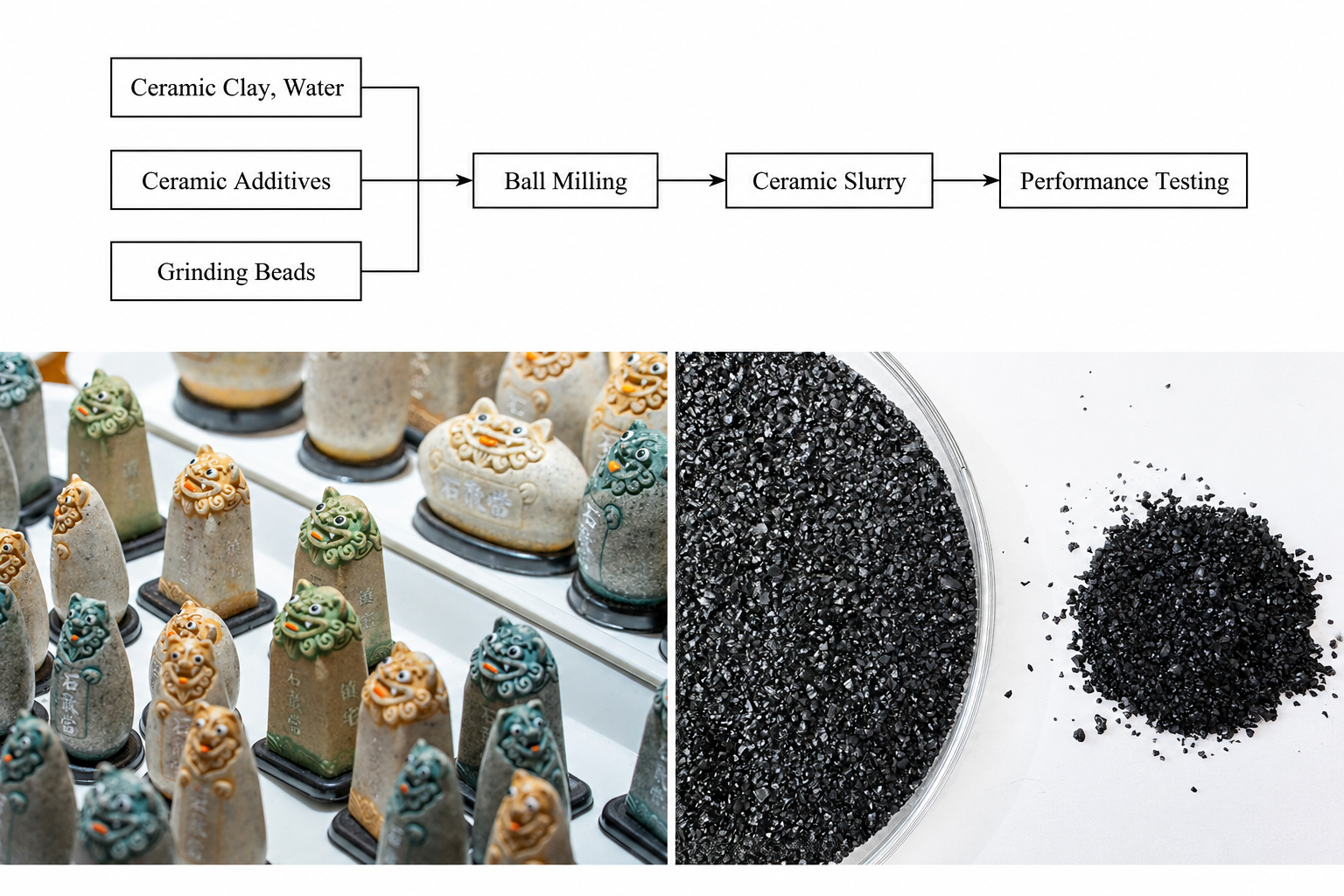
3. HOW TO CHOOSE A HIGH-QUALITY CERAMIC PROCESSING ADDITIVE
Selecting the right ceramic processing additive is critical for achieving stable ceramic production. While many additives are available on the market, manufacturers should evaluate several key factors before making a purchasing decision.
-
a. Stable Humic Acid Content: Consistent humic acid content ensures reliable processing performance from batch to batch. Stable quality helps manufacturers maintain uniform production conditions and reduces unexpected variations.
-
b. Excellent Water Solubility: High-quality sodium humate for ceramics should dissolve quickly and completely, ensuring efficient dispersion in ceramic slurry without leaving insoluble residues.
-
c. Low Moisture Content: Lower moisture levels improve storage stability and help maintain consistent product performance during transportation.
-
d. Consistent Manufacturing Quality: Reliable suppliers implement strict quality control systems to ensure every batch meets the specifications for industrial ceramic applications.
-
e. Professional Technical Support: Different ceramic formulations require different additive solutions. Working with an experienced supplier can help manufacturers optimize dosage, improve efficiency, and achieve better production results.
-
a. Stable Humic Acid Content: Consistent humic acid content ensures reliable processing performance from batch to batch. Stable quality helps manufacturers maintain uniform production conditions and reduces unexpected variations.
-
b. Excellent Water Solubility: High-quality sodium humate for ceramics should dissolve quickly and completely, ensuring efficient dispersion in ceramic slurry without leaving insoluble residues.
-
c. Low Moisture Content: Lower moisture levels improve storage stability and help maintain consistent product performance during transportation.
-
d. Consistent Manufacturing Quality: Reliable suppliers implement strict quality control systems to ensure every batch meets the specifications for industrial ceramic applications.
-
e. Professional Technical Support: Different ceramic formulations require different additive solutions. Working with an experienced supplier can help manufacturers optimize dosage, improve efficiency, and achieve better production results.
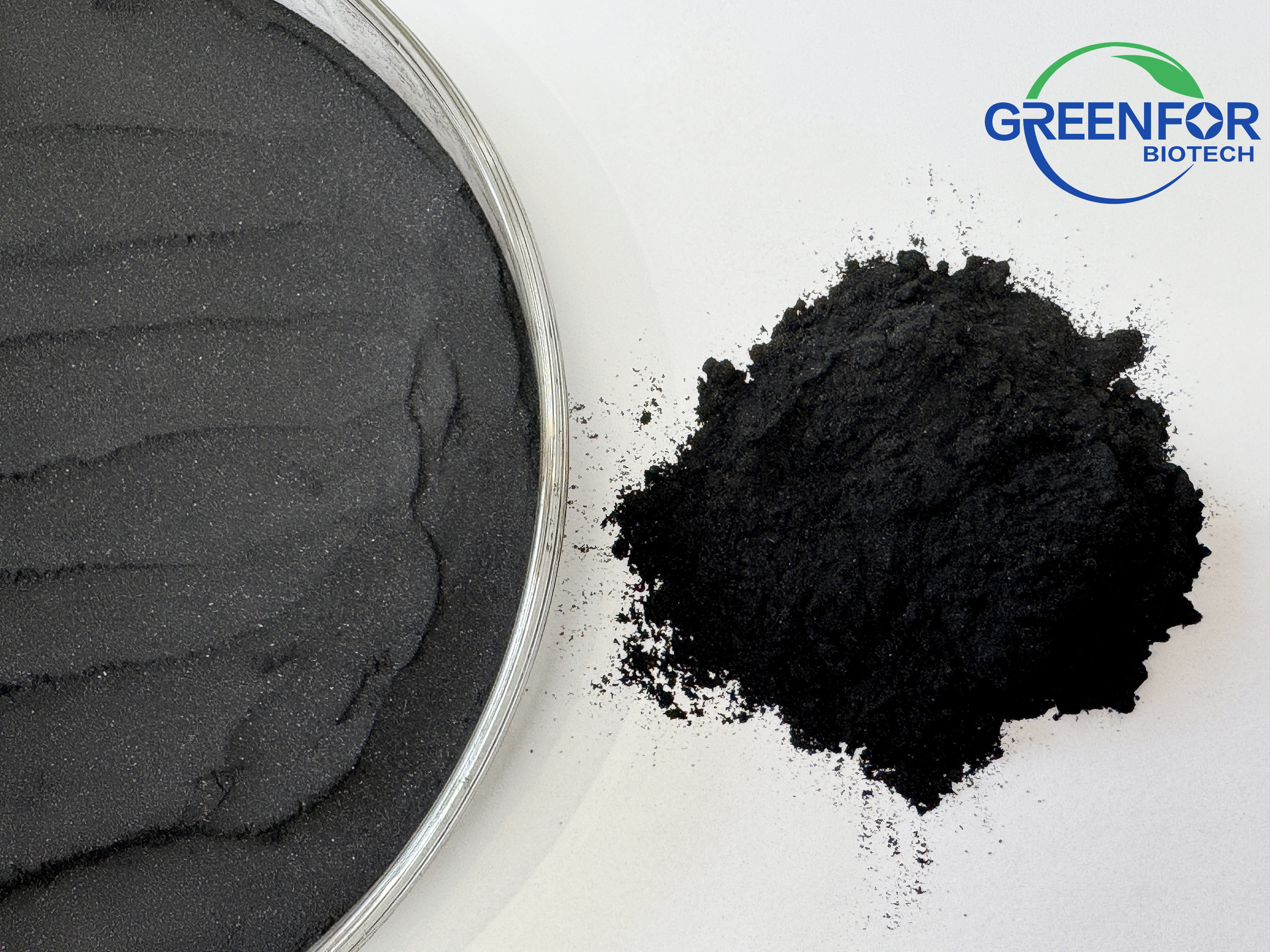
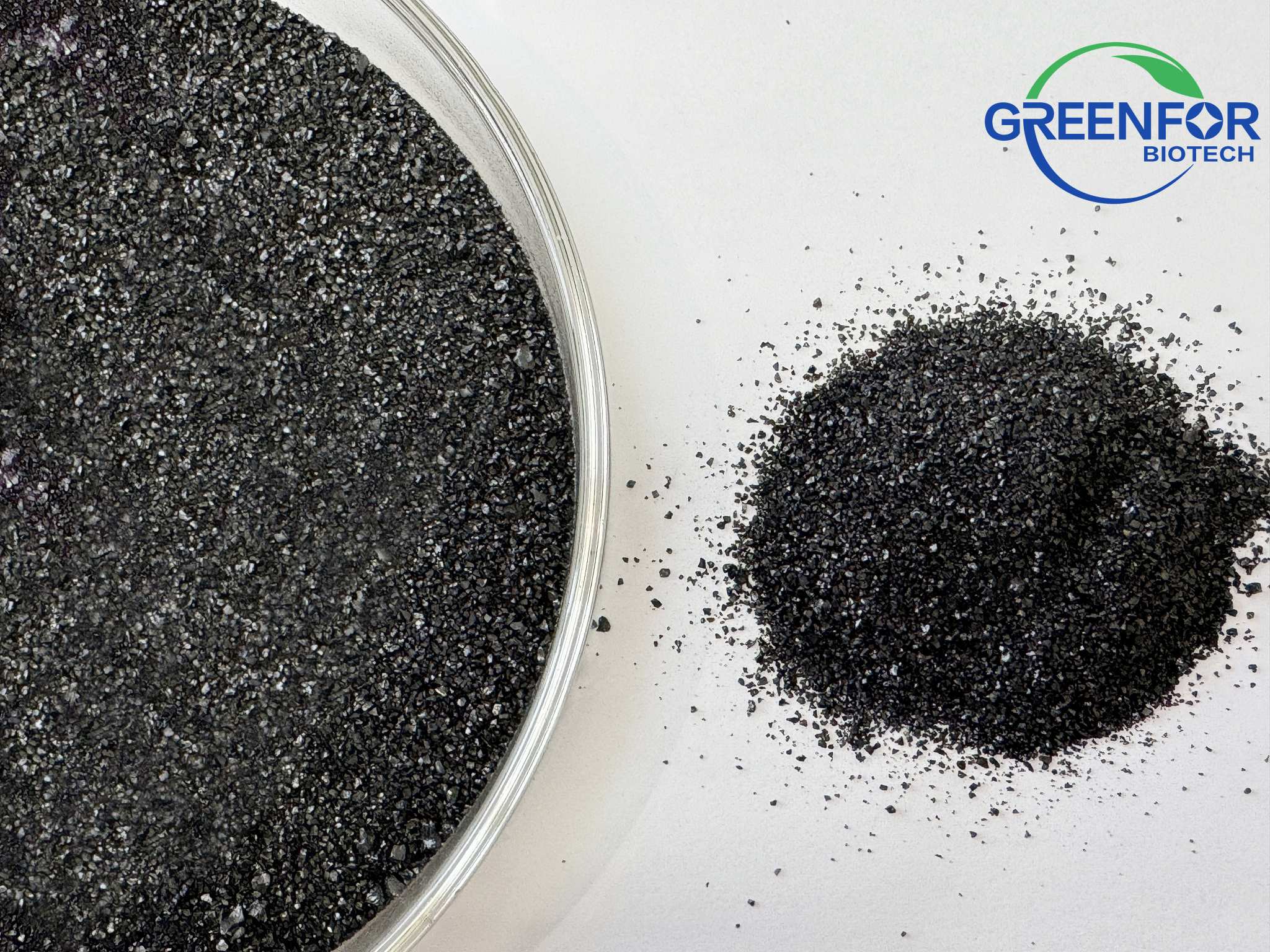
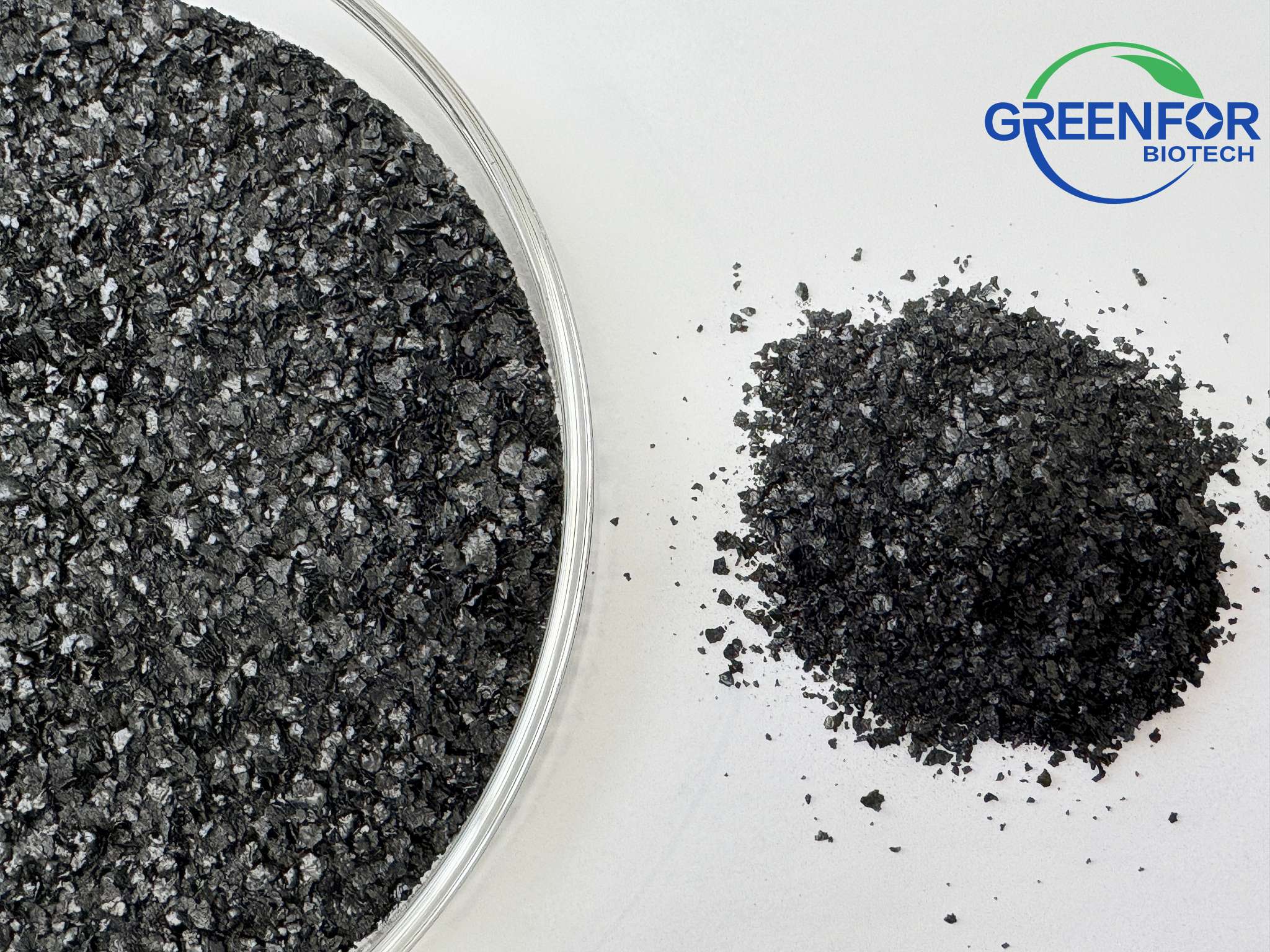
WHY CHOOSE GREENFOR?
At GREENFOR, we are committed to meeting these requirements through strict quality control and advanced manufacturing processes. Our sodium humate is produced from carefully selected raw materials to ensure stable humic acid content, excellent water solubility, and consistent batch quality. With more than 24 years of experience, two production facilities, and an annual production capacity of 60,000+ tons, we provide customized specifications, flexible packaging, and reliable global supply for manufacturers worldwide. Beyond Ceramic Manufacturing, Sodium Humate is also widely used in Agriculture As A Soil Conditioner, Fertilizer Additive, and Biostimulant. Its excellent dispersing, binding, and natural organic properties make it a versatile humic substance for both industrial and agricultural applications.
For more information about our products, please visit the links below:
-
-
Fulvic Acid vs Mineral Fulvic Acid in Neutral pH: Impacts on Crop Growth and Nutrient Uptake