Comprehensive guide to potassium fulvate fertilizer: advanced techniques in bio organic fertilizer production
WHAT IS THE DIFFERENCE BETWEEN MINERAL POTASSIUM FULVATE AND BIOCHEMICAL POTASSIUM FULVATE?
1. Source: Mineral Potassium Fulvic Acid comes from nature such as weathered coal, peat, lignite, etc. It is a natural mineral, and its main component is the decomposition product of potassium minerals such as potassium feldspar; Biochemical Potassium Fulvic Acid comes from living organisms, such as straw, extracted through fermentation.
2. Ingredients: Mineral Potassium Fulvate Fertilizer is rich in minerals and trace elements; Biochemical Fulvic Acid Fertilizer contains complex natural organic matter and other trace elements.
3. Physical and chemical properties: The physical and chemical properties of Mineral Fulvate Potassium are relatively stable and are not easy to weather or deliquesce; the physical and chemical properties of Biochemical Fulvate Potassium are unstable and are easy to weather or deliquesce.
4. Purpose: Mineral Potassium Fulvate Fertilizer is mainly used to improve soil structure, increase soil fertility, and improve crop quality, and can also be used as a fertilizer additive; Biochemical Fulvic Acid Potassium is widely used in medicine, food, cosmetics, and other fields.
5. Method of administration: The dosage of Fulvic Acid Complex is usually small and does not contain any hormones. It can directly participate in plant metabolism and improve photosynthesis. The dosage of the Biochemical Fulvic Acid Complex is relatively large, which may aggravate the acidification of acidic soil in some cases.
WHY MINERAL POTASSIUM FULVATE IS BETTER?
1. In terms of structure, it contains more organic matter, has more functional groups, has better water solubility, has strong resistance to hard water, and performs better in regulating the growth of microbial flora and loosening the soil structure. Its effect is fast and lasting, it can improve the microenvironment of the root system, chelate nutrients in the soil, and increase the disease resistance and stress resistance of crops. This is largely due to advanced bio organic fertilizer production methods.
2. In the bottom application, the dosage required for mineral sources is 300-500g per mu, while for biochemical sources, it exceeds 5-10 kg, indicating a significant difference in the required amounts.
3. Regarding mineral elements, the composition of the substance includes 60-70 mineral elements, and it originates from the remnants of animals and plants, featuring a notably higher organic matter content.
4. The Potassium Fulvate Compound's cavity structure enhances soil aggregation and fertilizer utilization without moisture absorption, contrasting with the Biochemical Fulvate Compound's tendency to clump or form mud when exceeding recommended amounts due to its high moisture absorption capacity. The stability and effectiveness of this structure are ensured by the bio organic fertilizer production process.
WHAT DO WE OFFER?
GREENFOR is a specialized manufacturer of bio-organic stimulants engaged in R&D, production, and sales, including bio organic fertilizer production.
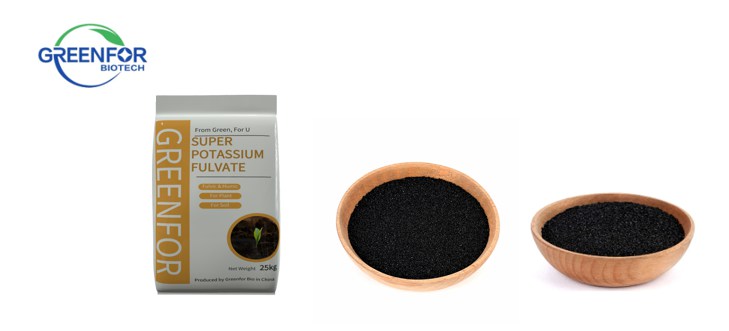
GREENFOR offers a range of products, including Super Potassium Fulvate Fertilizer.
GREENFOR presents a superior product named Super Potassium Fulvate Fertilizer, which surpasses conventional options with increased content, enhanced functional groups, better water solubility, and improved resistance to hard water and flocculation. This product is a result of GREENFOR's commitment to bio organic fertilizer production.
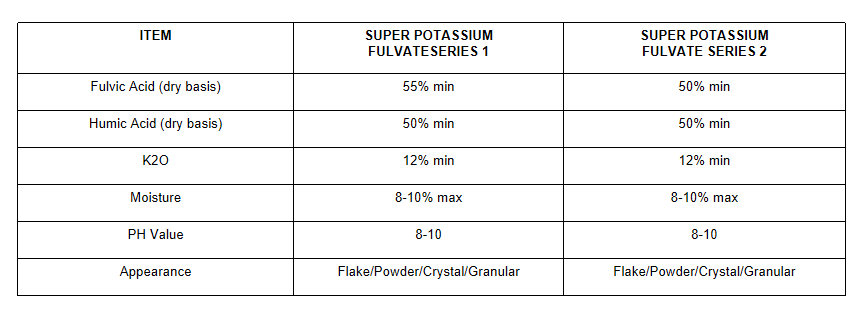
BENEFITS OF GREENFOR SUPER POTASSIUM FULVATE FERTILIZER
1. Enhances the rate of seed germination, stimulates the action of seed enzymes, and encourages the growth of radicles.
2. Postpones the degradation of UV unstable materials.
3. A highly concentrated chemical for improving soil that fixes nitrogen.
4. Can quickly build the aggregate structure of the soil, successfully avoid salinization and acid-alkali soil, and improve the soil's capacity to hold on to water and nutrients.
Seaweed polysaccharides & oligosaccharides: unlocking seaweed's power for agricultural enhancement