
Sodium humate uses in livestock farming and aquaculture

Sodium humate appears as black flakes, granules, or powder, and is obtained by extracting weathered coal with a sodium hydroxide solution. It is frequently utilized in agricultural planting, which is capable of improving the soil condition and facilitating plant growth; However, sodium humate uses also extend to the livestock and aquaculture industries.
1. Improving the Quality of Livestock:
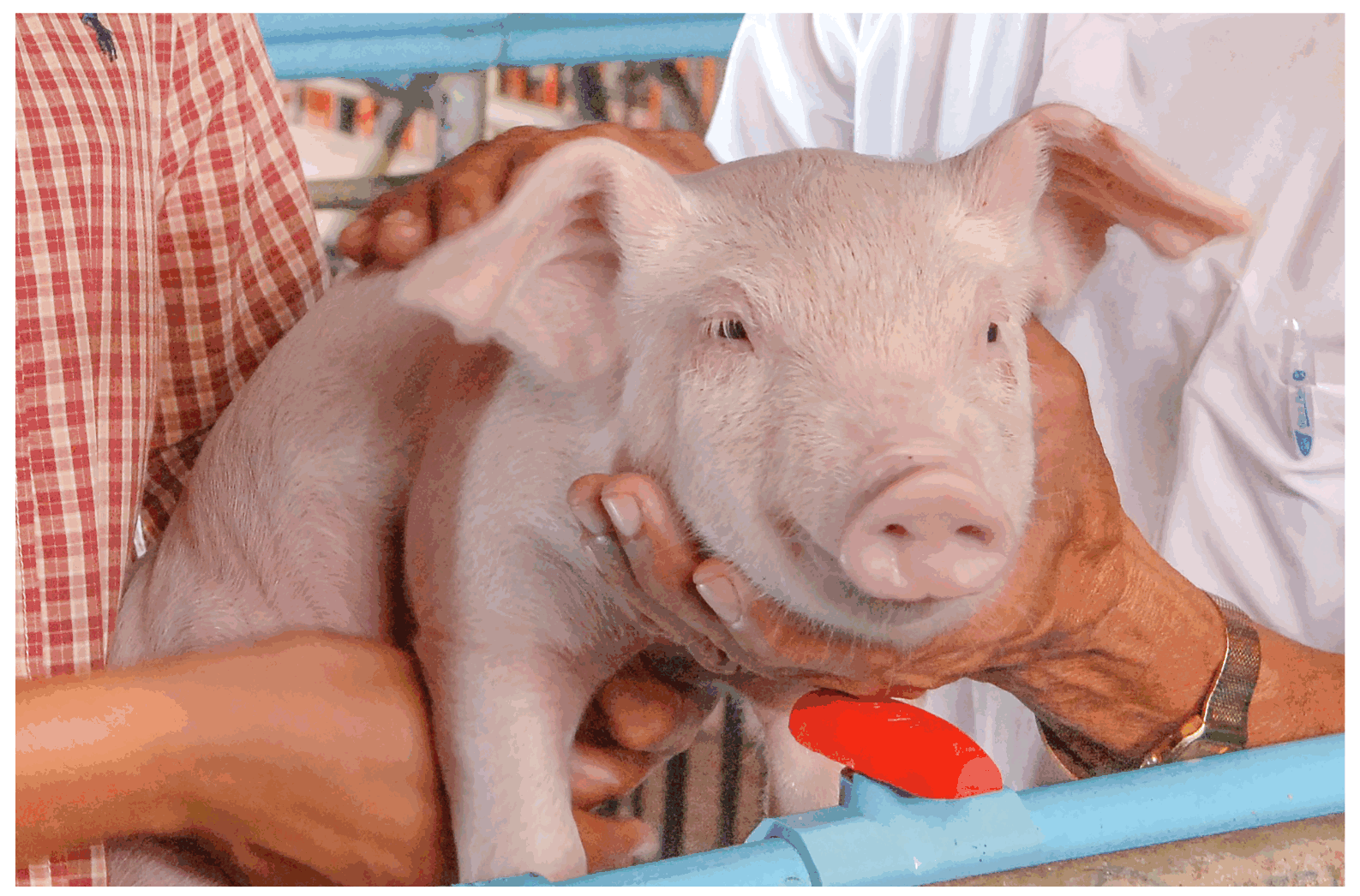
Sodium humate uses in livestock farming is generally used as a feed additive. It can fully decompose and organically combine various complex molecular nutrients in feed, increase intestinal function, and promote protein assimilation. Besides, sodium humate as a feed additive can also increase the permeability of animal cell membranes and protoplasm, resulting in an increase in the amount of water in muscle cell intercellular spaces and cell water content, which leads to smooth animal fur and delicious meat.
The adsorption of sodium humate as a feed additive makes the nutrients in the feed pass through the intestines more slowly, prolonging the absorption and digestion time and increasing the absorption rate of nutrients. This leads to an increase in the animal's weight, which results in higher prices and brings direct benefits.
2. Reduce the Incidence of Animal Diseases:
Sodium humate as a feed additive can play a role in relieving animal "ammonia" poisoning (sodium humate quickly forms humic acid ammonium when it comes into contact with ammonia, causing the toxic substance to evaporate quickly). Sodium humate as a feed additive can also make it difficult for the fats in feed to oxidize, reduce unpleasant odors, promote the rapid absorption and diffusion of feed in the animal's digestive organs, enhance the activity of digestive enzymes, and reduce the incidence of disease.
SODIUM HUMATE USES IN AQUACULTURE:
1. Water Purification:
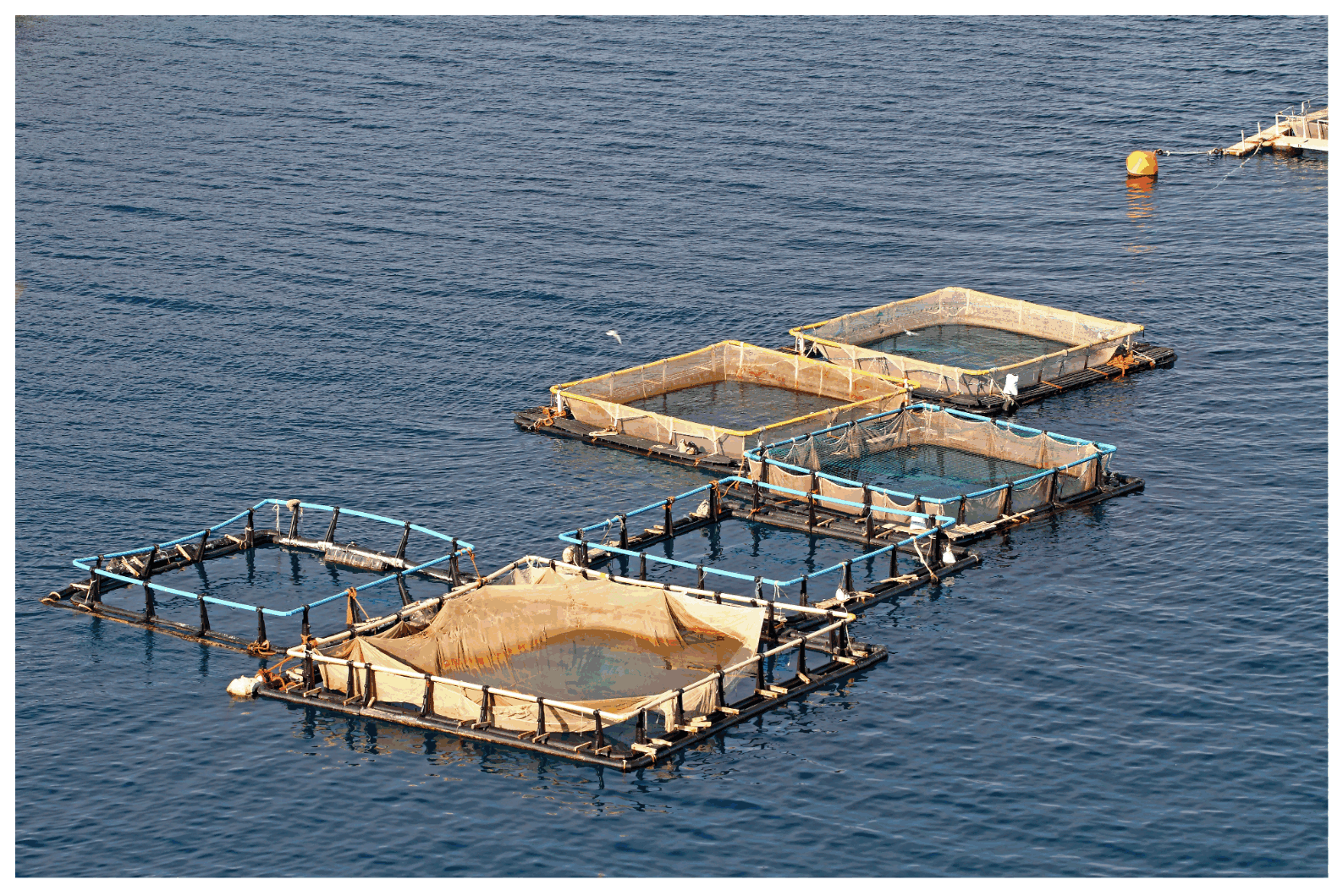
By utilizing the adsorption and chelation properties of sodium humate, it can assist in treating murky, muddy bottoms, dead algae, oil film, foam, etc. to restore clean water quality, while also increasing the nutrients in supplementary water to ensure normal growth of animals and aquatic plants.
2. Soil Improvement:
Sodium humate can improve soil, and it is generally ideal to use it in combination with disinfectants and microbial agents. However, Sodium humate uses is not recommended for old ponds, clay ponds, or ponds with thick sediment.
3. Detoxification:
When used in aquaculture (add 2-5 kg per cubic meter), Sodium humate can quickly chelate heavy metal ions and harmful elements in water, thereby reducing the content of heavy metal ions, ammonia nitrogen, nitrite nitrogen, and sulfides in the aquaculture water body.
Usage and Dosage:
1. For a pond with an average water depth of 1 meter, the recommended dosage is 1-2 kg per acre, and the dosage should be increased for reservoirs. It should be applied every 20 days or so, and the dosage should be doubled if the water quality deteriorates. Simply sprinkle the powder or granules evenly throughout the pond.
2. Combining with oxygenators, photosynthetic bacteria, and EM bacteria can yield even better results.
3. For old ponds with deteriorated bottoms, use granules; for water bodies with deteriorated water quality, use powder.
SODIUM HUMATE PRODUCT RECOMMENDATION:
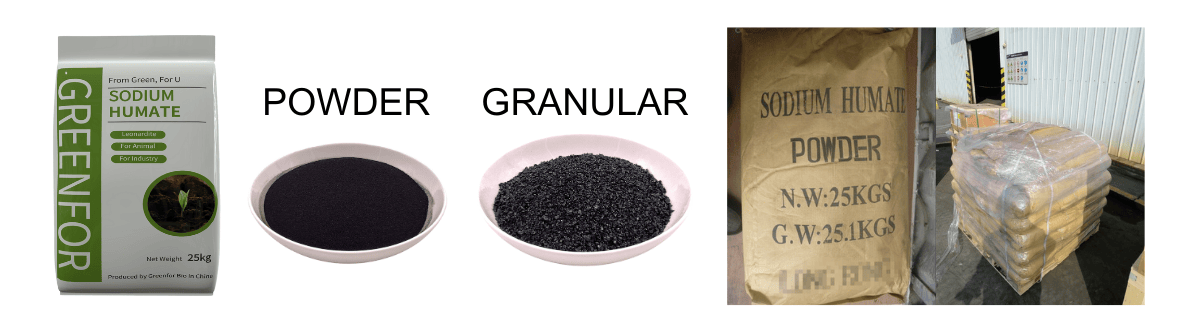
Sodium Humate appears as a black flake, particle, or powder form, obtained through the extraction of weathered coal using sodium hydroxide solution. This compound is easily soluble in water, alkaline, non-toxic, odorless, and non-corrosive. It exhibits various functions such as ion exchange, adsorption, complexation, flocculation, dispersion, and bonding.
GREENFOR Product: Sodium Humate Fertilizer 70%
Humic Acid (dry basis): 70% Min
PH Value: 9-11
Appearance: Flake/Powder/Crystal/Granular
Recommended Packing: 25kg bags
Exploring Humic Acid: Structure and Classification Explained – Part 1