The Potassium (K) Cycle in Agriculture — The Role of Potassium Fertilizer in Plant Nutrition
1. Potassium Sources: From Parent Minerals to Soil
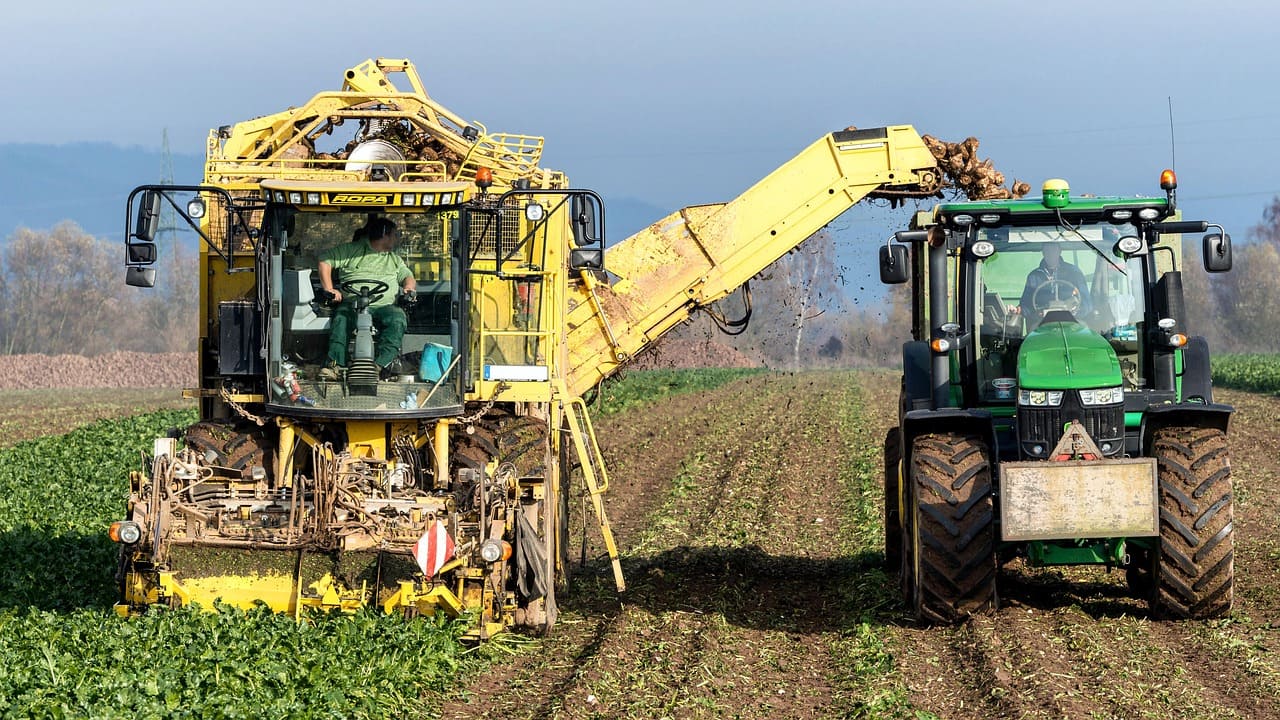
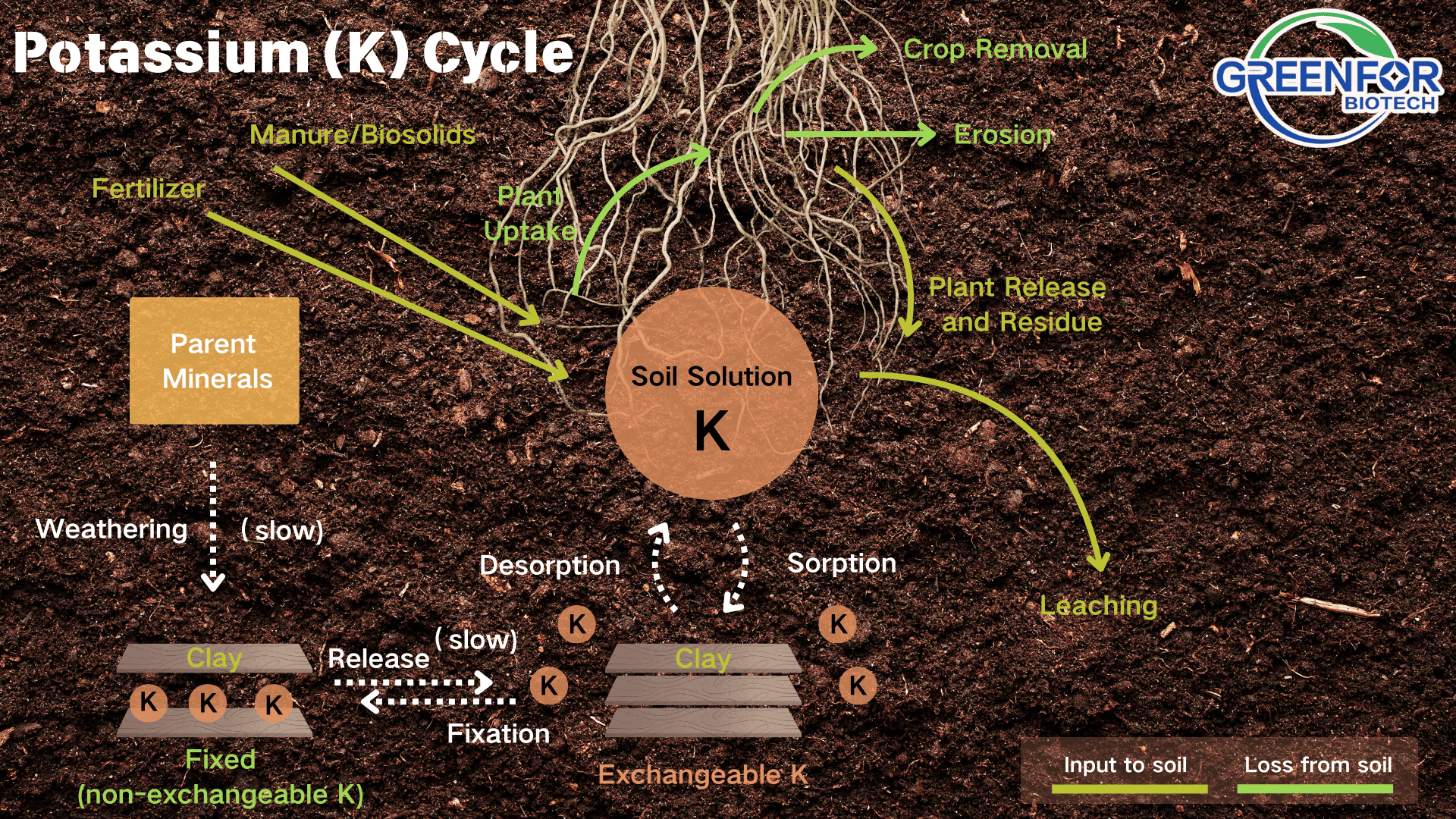
All potassium in agricultural systems originates from parent minerals found in the Earth's crust. Through the slow process of weathering, these minerals break down, gradually releasing potassium into the soil solution and soil residue. This process is continuous but slow, meaning that natural release alone often cannot meet crop demands — hence the need for potassium fertilizers.
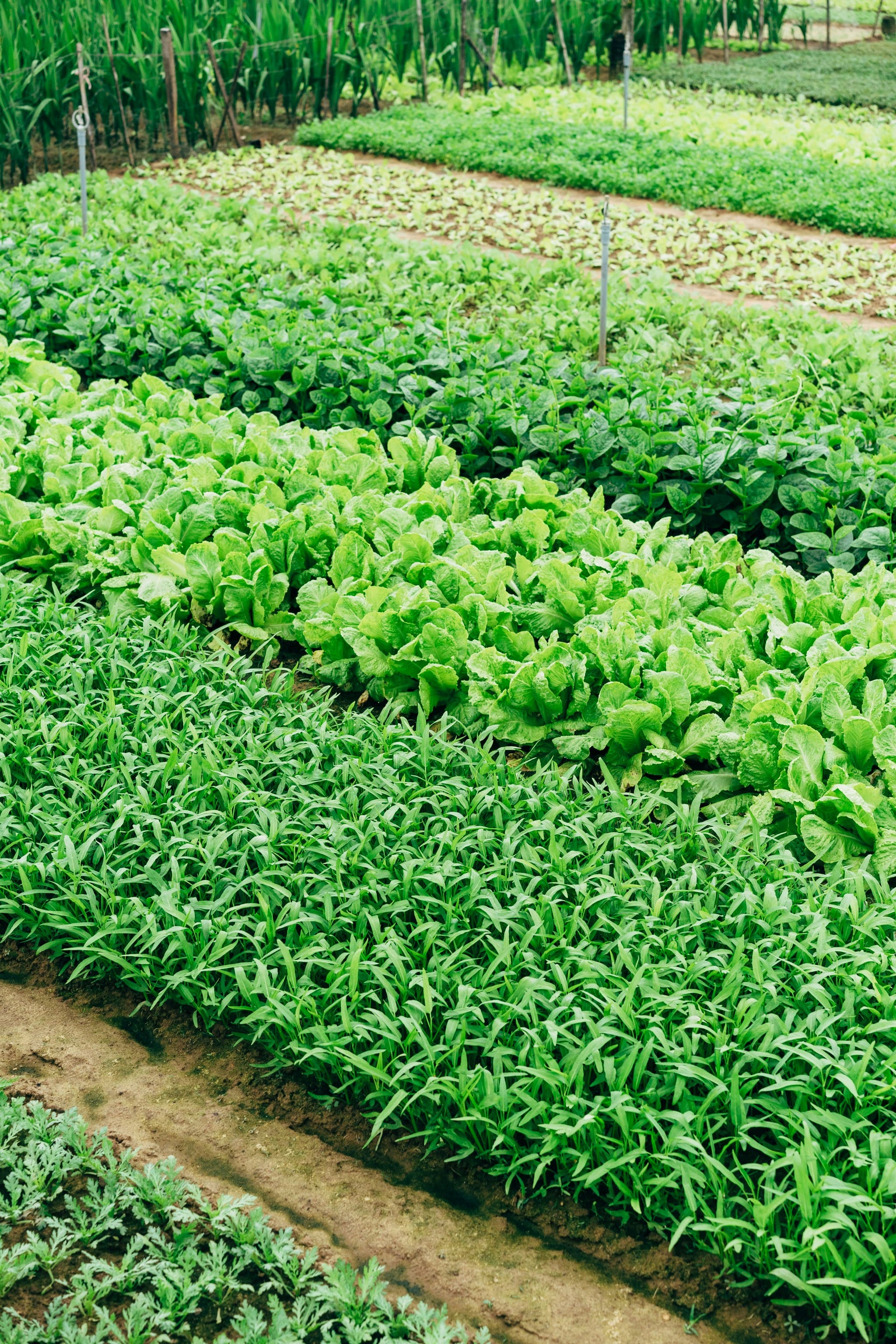
As potassium enters the soil solution, it becomes the most available form of K that plants can absorb. Root hairs take up this soluble potassium directly, which then supports essential physiological functions such as energy transfer, carbohydrate formation, and osmotic regulation.

2. Potassium in the Soil System: Dynamic Equilibrium
In the soil, potassium exists in several forms — solution K, exchangeable K, fixed (non-exchangeable) K, and mineral K. These forms are interrelated and constantly in transition.
- Solution K is the form immediately available for plant release and uptake.
- Exchangeable K is held on the surface of clay and organic matter particles and can quickly move into the soil solution when plants absorb potassium.
- Fixed K (non-exchangeable K) is trapped between clay layers and cannot be easily released.
- Mineral K forms part of the soil’s crystalline structure and only becomes available through long-term weathering.
These transformations are influenced by natural soil processes such as sorption, desorption, fixation, and slow release. The sorption process allows soil particles to hold potassium ions temporarily, preventing leaching. In contrast, desorption slowly releases the adsorbed K back into the soil solution, ensuring a steady supply for plants. When potassium becomes locked in minerals, this is known as fixation, and the release from this form occurs very slowly.
3. Inputs and Losses: Maintaining the Potassium Balance
The potassium cycle involves continuous input to soil and loss from soil.
Inputs include:
- Application of fertilizers such as potassium sulfate (BoSO), potassium chloride, or organic amendments;
- Plant residues and organic matter returning K to the soil after decomposition;
- Atmospheric deposition in small quantities.
Losses occur through:
- Leaching, especially in sandy soils with low cation exchange capacity;
- Runoff and erosion, which remove potassium bound to soil particles;
- Crop uptake, as harvested plants remove K from the system.
An imbalance between input and loss can lead to potassium deficiency, reducing yield and plant health. To maintain optimal potassium levels, farmers should regularly test soil K status and apply fertilizers scientifically.
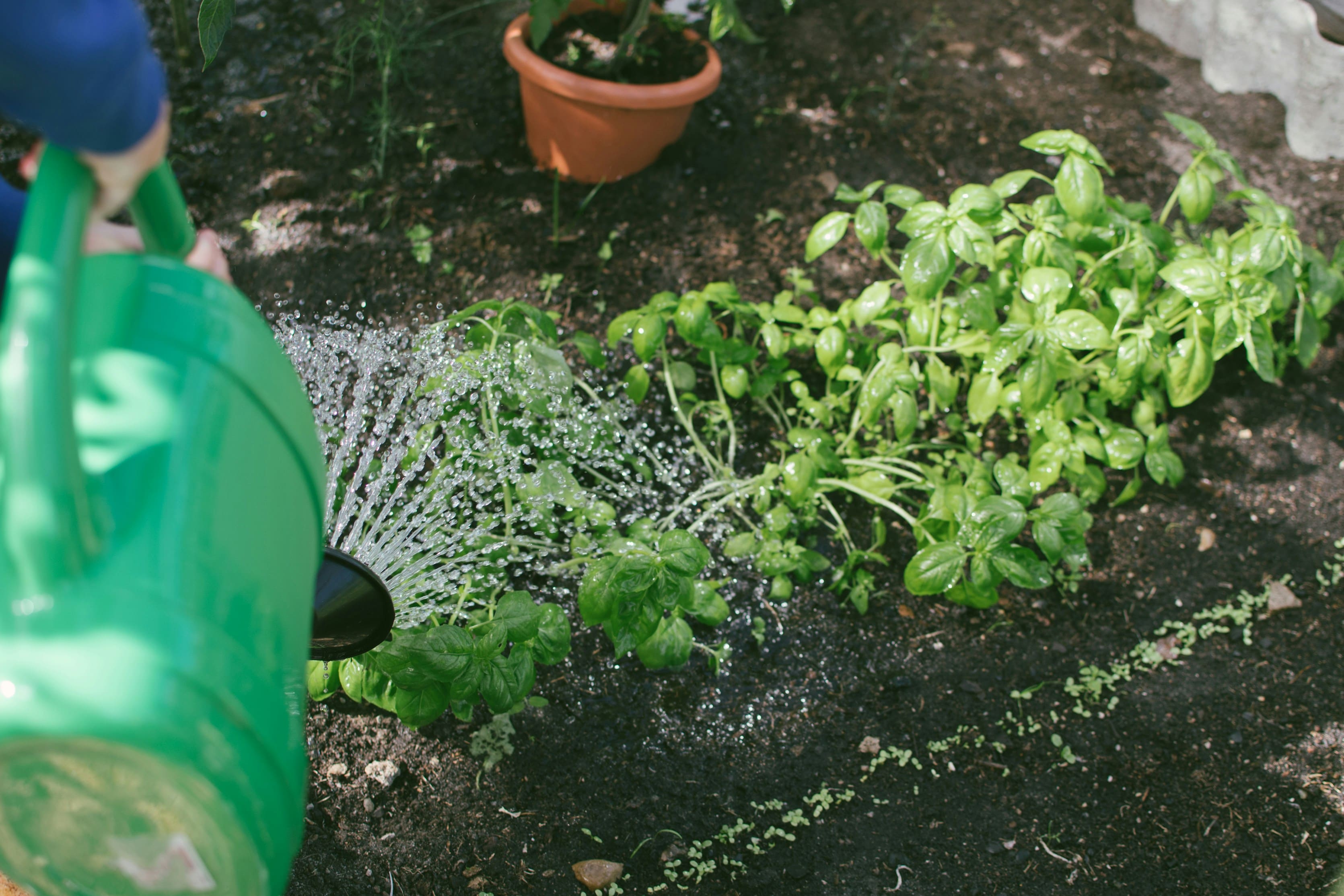

Modern agriculture relies on high-quality potassium fertilizers to replenish soil K.
These fertilizers enhance soil solution K, minimize fixation losses, and improve exchangeable K levels — ensuring that plants receive a continuous supply of nutrients throughout their growth cycle. By combining mineral fertilizers with biostimulants and organic matter, the potassium cycle can be stabilized, promoting both productivity and sustainability.
5. Environmental and Agricultural Significance
Understanding the Potassium (K) Cycle helps balance productivity with environmental responsibility. Excessive potassium application can cause nutrient imbalance, while deficiency weakens plants and depletes soil fertility. Sustainable management of the potassium cycle ensures:
-
Higher fertilizer use efficiency;
-
Better soil structure and water retention;
-
Enhanced plant stress tolerance;
-
Reduced nutrient losses to the environment.

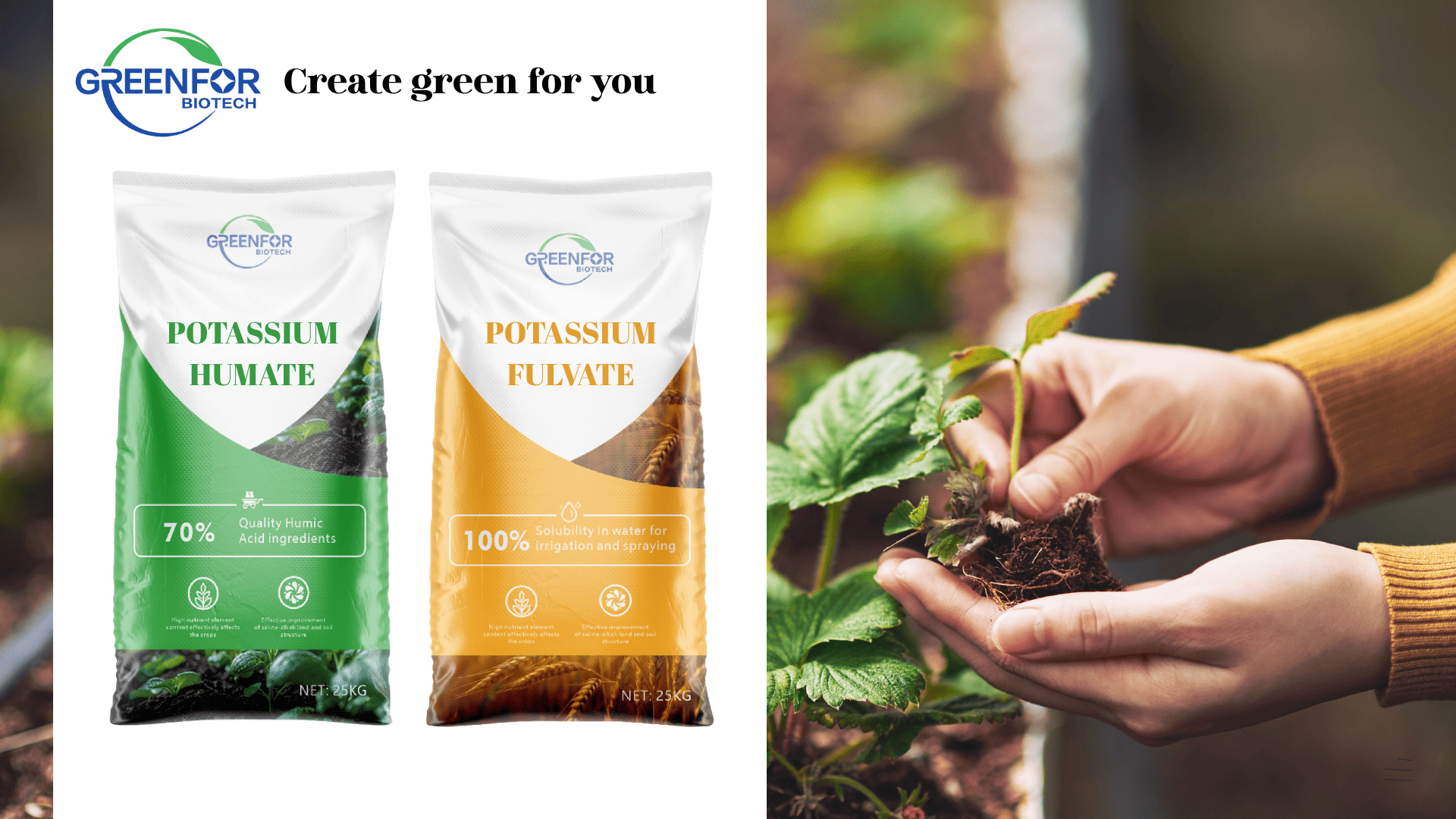
At GREENFOR BIOTECH, we are dedicated to strengthening this natural balance with our advanced Potassium Humate and Potassium Fulvate solutions — designed to maximize soil health and plant vitality.
Our Potassium Humate works deep within the soil to improve its structure, boost cation exchange capacity, and minimize nutrient loss. By enriching the soil with organic carbon and bioactive compounds, it helps crops develop stronger roots and enhances their resilience against stress, drought, and salinity — creating a foundation for long-term fertility and sustainable yield.
Meanwhile, our Potassium Fulvate stands out for its smaller molecular size and exceptional bioactivity. It quickly penetrates plant tissues, boosting nutrient transport and energy metabolism at the cellular level. This leads to faster and more vigorous growth, lush green foliage, and stronger stress resistance throughout the entire growing cycle — empowering farmers to achieve higher yields and superior crop quality with every harvest.
For more information about our products, please visit the links below:
Behind the Green: Glyphosate, Parkinson's Risk, and the Role of Granular Humic in Safer Golf Course Turf
Exploring Humic Acid: Structure and Classification Explained – Part 4