High-quality chelated trace elements fertilizer: professional fertilizer supply solutions

Trace elements are essential nutrients during plant growth and development. Although they are present in very small amounts in plants, they are vital to plant physiological functions and health. This article will explore the role and importance of six key trace elements in agriculture: iron, calcium, zinc, manganese, cuprum, and magnesium. Professional fertilizer supply ensures these essential nutrients
IRON: KEY TO PHOTOSYNTHESIS AND RESPIRATION
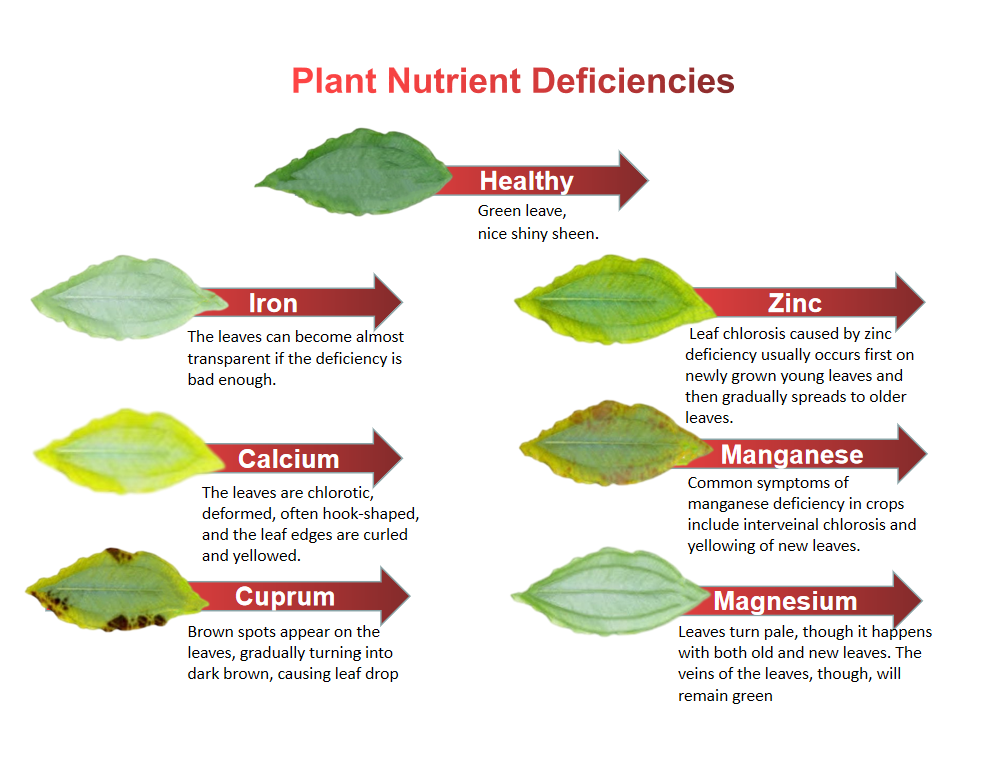
Iron is an important component of many enzymes and proteins in plants, especially in photosynthesis and respiration. Iron is an essential element for chlorophyll synthesis. Iron deficiency can cause leaf yellowing, which is manifested as yellowing between the veins of new leaves, seriously affecting photosynthetic efficiency. The supply of iron in the soil is usually ensured by professional fertilizer supply services.
CALCIUM: BUILDER OF CELL WALLS
Calcium plays an important role in the formation and stabilization of plant cell walls, where it contributes to the structural integrity and function of cells. Insufficient calcium will lead to necrosis of the terminal buds and root tips, resulting in the phenomenon of "apical necrosis". Common calcium fertilizers include limestone, gypsum, and calcium nitrate. Ensuring an adequate supply of calcium in the soil is critical to preventing crop diseases and increasing yields. chelated trace elements fertilizer, to meet specific crop needs.
ZINC REGULATOR OF GROWTH HORMONE
Zinc is a component of various enzymes in plants and is involved in the synthesis and regulation of growth hormones (such as auxin). Zinc deficiency will lead to dwarf plants, shortened internodes, and small and thick leaves, resulting in "zinc deficiency". Zinc fertilizers such as zinc sulfate are often used to improve soils that are deficient in zinc and promote normal growth and development of crops. chelated trace elements fertilizer ensures timely and effective application of zinc fertilizers, including maximizing crop growth.
MANGANESE: FACILITATOR OF PHOTOSYNTHESIS
Manganese is a key element required for the breakdown of water and the release of oxygen during photosynthesis. It is also an activator of various enzymes involved in nitrogen metabolism. Manganese deficiency can cause yellowing of leaves and poor growth. Manganese fertilizers (such as manganese sulfate) can be used to replenish manganese levels in the soil and improve crop health.
CUPRUM: CATALYST FOR ENZYMATIC REACTIONS
Cuprum is a component of various enzymes involved in plant respiration and xylem formation. Insufficient can cause yellowing of young leaves and may affect the growth of the entire plant. Cuprum deficiencies are usually corrected by applying cuprum sulfate or other cuprum-containing fertilizers. chelated trace elements fertilizer ensures precise application of cuprum fertilizers, to enhance plant health and productivity.
MAGNESIUM: THE HEART OF CHLOROPHYLL
Magnesium is the central atom of the chlorophyll molecule and is therefore essential for photosynthesis. Magnesium is also involved in the phosphorylation process and is a coenzyme for many enzymes. Magnesium deficiency causes yellowing of leaves starting from the lower parts, usually between the veins. Lime magnesium fertilizer and magnesium sulfate are commonly used magnesium fertilizers, which can help restore the magnesium content in the soil and ensure crop health. Professional fertilizer supply services incorporate magnesium fertilizers, into nutrient management programs for optimal plant nutrition.

Trace elements play a crucial role in agricultural production, and their availability in the right amounts is essential for maximizing crop yield and quality. Professional fertilizer supply services play a key role in ensuring that plants receive adequate trace elements through tailored fertilization strategies, thereby supporting sustainable agricultural practices and enhancing overall crop health and productivity.
In modern agriculture, methods such as foliar spraying and soil conditioning can effectively prevent and correct trace element deficiencies, thereby achieving sustainable agricultural development.
WHAT DO WE NEED TO DO?
GREENFOR fulvic acid chelates trace elements. It adds indispensable trace elements in plants, such as iron, calcium, zinc, manganese, cuprum, and magnesium, based on fulvic acid. It has the characteristics of good water solubility, high carrying capacity, and strong physiological activity. Suitable for landscaping and all agricultural and horticultural plants to increase the efficiency of micronutrient supplementation.

ADVANTAGES:
1. Improves the absorption of micronutrients and quickly resolves any existing or possible nutritional deficiencies with micronutrient support.
2. Te promotes plant absorption of nutrients due to increased biological activity and smaller molecular weight. Promote plant growth, root formation, and seed germination.
3. Can enhance cation exchange and water-holding capacity and promote the adsorption and exchange of plant nutrients, including those in chelated trace elements fertilizer.
4. It can enhance the physical properties of soil and the structure of soil aggregates, and reduce the compactness of soil.
5. Increase crop respiration and photosynthesis by promoting cell metabolism.
6. It can enhance the disease resistance, flood resistance, drought resistance, and cold resistance of crops.
Enhancing soil health: humic acid organic fertilizer and biostimulants in agriculture
Potassium humate manufacturer: exploring potassium humate benefits for plants