image
    qr Code Url

    Scan qrcode to view mobile website

    Data is empty
    0
    Member Center
    Exit
    Home /Blogs /BLOG AGRICULTURE /How Excess Copper Damages Soil and Crop Health – and Why Chelated Micronutrients Are the Solution /

    How Excess Copper Damages Soil and Crop Health – and Why Chelated Micronutrients Are the Solution

    2025-11-17
     
    Chelated micronutrients
     -
    Introduction

    Copper toxicity in soil is an increasing concern in modern agriculture. While copper is a vital micronutrient for plant metabolism, excessive amounts transform it from a beneficial element into a harmful contaminant. Copper toxicity in soil damages crop roots, decreases yields, and weakens long-term soil fertility. To counter these challenges, chelated micronutrients offer an advanced, sustainable solution. They regulate metal availability, prevent toxicity, and restore soil balance for healthier, more productive crops.

    -
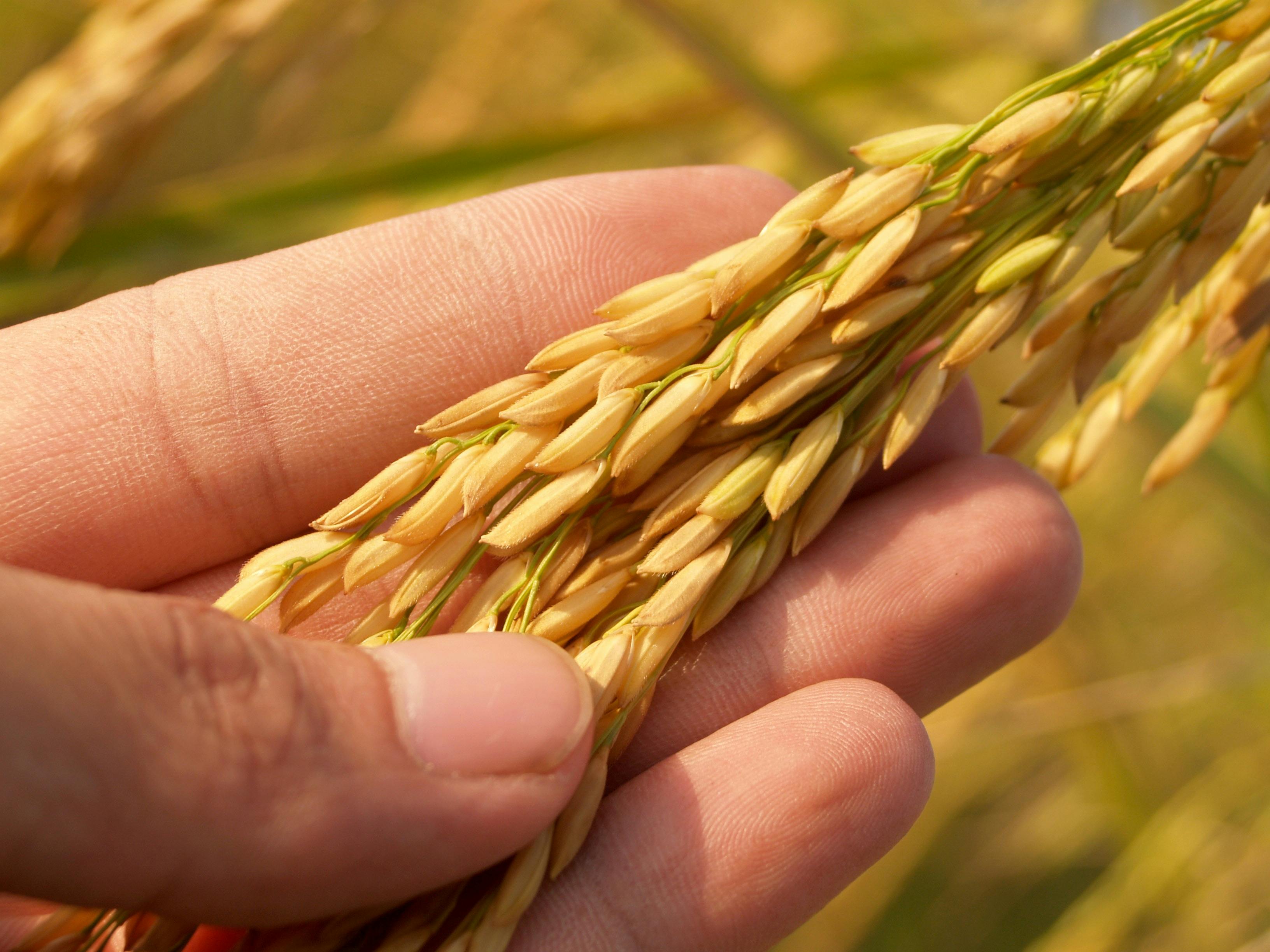
    Copper Damages Soil and Crop Health  Copper toxicity in soil
    1. The Impact of Excess Copper on Crops
    -
    Growth Inhibition
    -
    When copper toxicity in soil occurs, plant roots become dark, brittle, and less able to absorb water and nutrients. This leads to stunted growth and visible symptoms like leaf chlorosis, curling, and necrosis. By maintaining nutrient balance through chelated micronutrients, plants can recover root vitality and improve nutrient uptake efficiency.
    -
    Reduced Photosynthesis
    -
    High copper concentrations destroy chlorophyll structures and reduce photosynthetic activity. Copper toxicity in soil decreases chloroplast stability, lowering energy production and yield. However, chelated micronutrients protect chlorophyll synthesis by keeping copper and other metals in bioavailable yet non-toxic forms.
    -
    Nutrient Imbalance
    -
    Excess copper interferes with the absorption of Fe, Zn, and Mn. This imbalance leads to secondary deficiencies. Applying chelated micronutrients ensures a stable supply of trace elements, preventing these competitive interactions and enhancing synergy in the plant.

    -

    2. The Effect of Copper Toxicity on Soil Health
    -
    Disruption of Microbial Communities
    -
    Copper toxicity in soil harms beneficial microorganisms vital for nutrient cycling and organic matter decomposition. Over time, microbial decline leads to weaker soil structure and lower fertility. Using chelated micronutrients helps reduce free copper ions that would otherwise damage microbial diversity.
    -
    Soil Acidification and Fertility Loss
    -
    Long-term copper buildup often decreases soil pH and affects its cation exchange capacity (CEC). The result is compacted, infertile soil. Balanced use of chelated micronutrients promotes healthier soil chemistry, maintaining ideal pH conditions and preventing fertility loss.
    -
    Environmental Contamination
    -
     Repeated use of copper-based fungicides can intensify copper toxicity in soil, leading to heavy metal accumulation. This not only endangers crops but also contaminates groundwater. Replacing such practices with chelated micronutrient fertilizers can significantly minimize environmental risks.
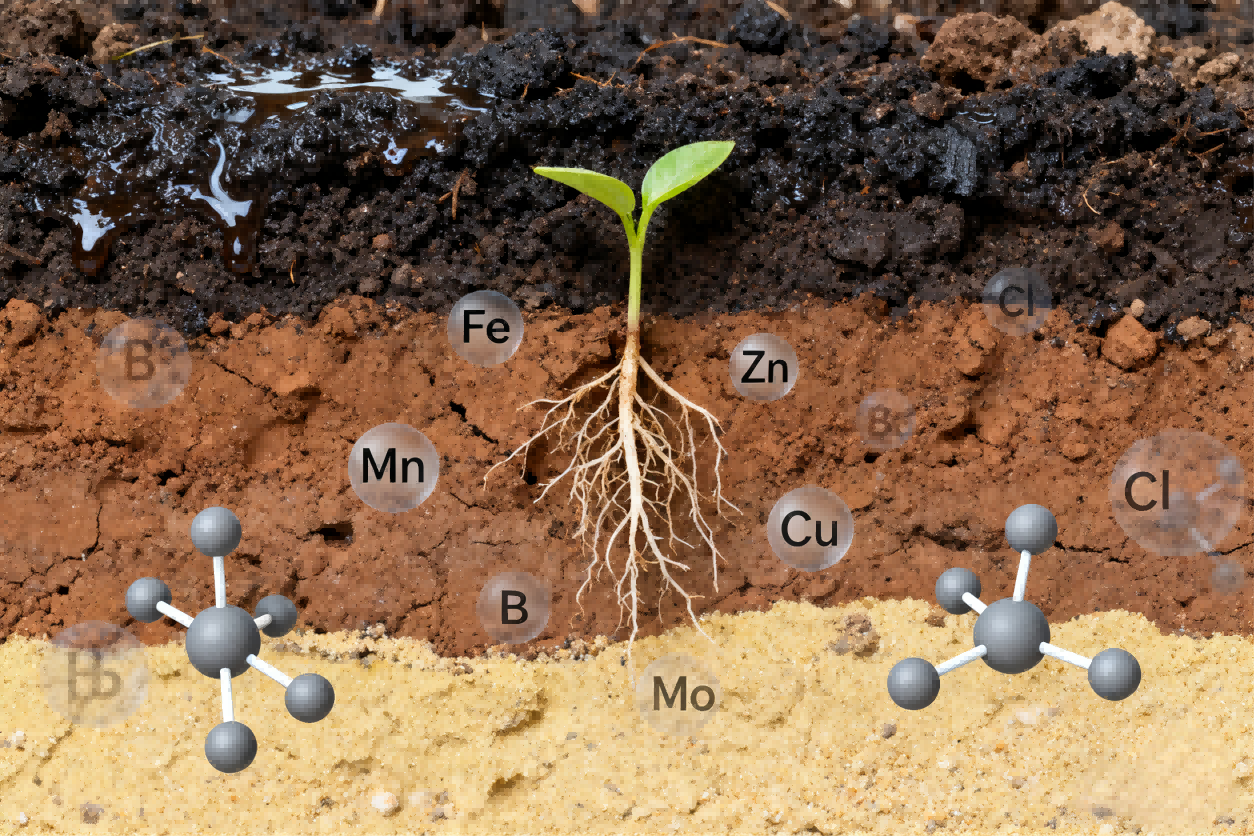
    When copper toxicity in soil occurs, plant roots become dark, brittle, and less capable of absorbing water and nutrients. Copper toxicity in soil decreases chloroplast stability, lowering energy production and yield. However, chelated micronutrients protect chlorophyll synthesis by keeping copper and other metals in bioavailable yet non-toxic forms.
    - 
    3. Chelated Micronutrients: A Smarter and Safer Approach  
    - 

    To mitigate copper toxicity in soil, modern farming increasingly relies on chelated micronutrients. Chelation binds metal ions (such as Cu, Fe, Zn, and Mn) to organic molecules, keeping them stable, available, and safe for plant absorption.

    -

    Chelating Features Application

    EDTA Series(EDTA-Fe, EDTA-Zn, EDTA-Cu, EDTA-Mn)

    Strong stability, ideal for irrigation systems Foliar spray, drip irrigation
    Amino acid or Seaweed chelates Eco-friendly, high bioavailability Organic farming, soil revitalization

    -

    By using chelated micronutrients, farmers can maintain crop nutrition efficiently, avoid excessive metal buildup, and protect soil and environmental health.

    -

    Prevention and Remediation Strategies
    4. Prevention and Remediation Strategies
    -
    Add Organic Matter
    -
    Apply humic acid, fulvic acid, or seaweed extract to immobilize excess copper and improve soil structure.
    -
    Adopt Chelated Micronutrient Fertilizers
    -
    Replace high-copper fertilizers with chelated micronutrients to achieve balanced nutrition and prevent environmental pollution.
    -

    5. Balanced nutrition controls copper stress.

    -

    Copper toxicity in soil poses a serious risk to plant productivity, soil vitality, and environmental safety. The most effective solution lies in maintaining a nutrient balance through the use of chelated micronutrients. These advanced fertilizers provide essential trace elements in a safe, controlled form, preventing toxicity while enhancing soil and crop performance. By adopting chelated micronutrient strategies and sustainable farming practices, growers can protect both crop health and soil ecosystems for the long term.

    -

    For more information about our products, please visit the links below:
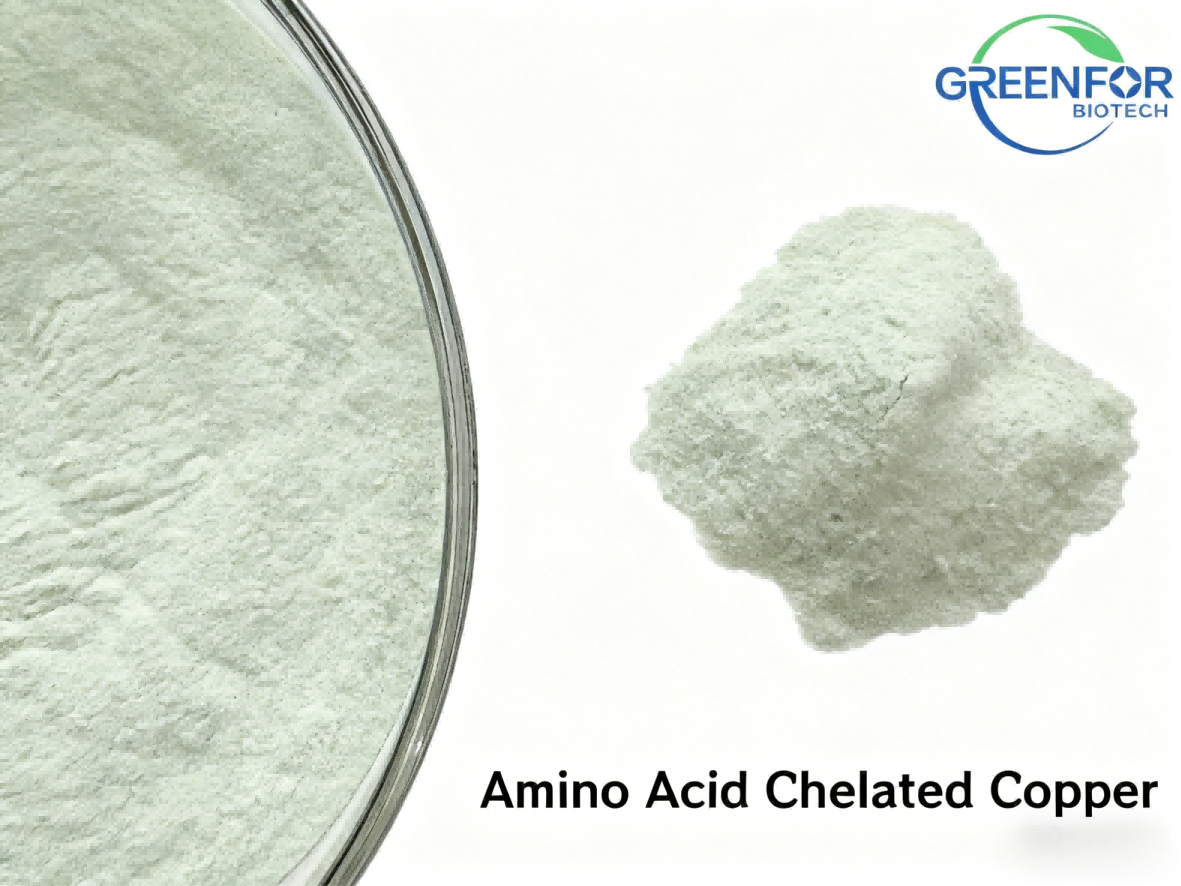
    amino acid chelated copper     EDTA COPPER    FULVIC ACID ORGANIC CHELATED COPPER

    *AMINO ACID CHELATED COPPER FERTILIZER --- GREENFOR*

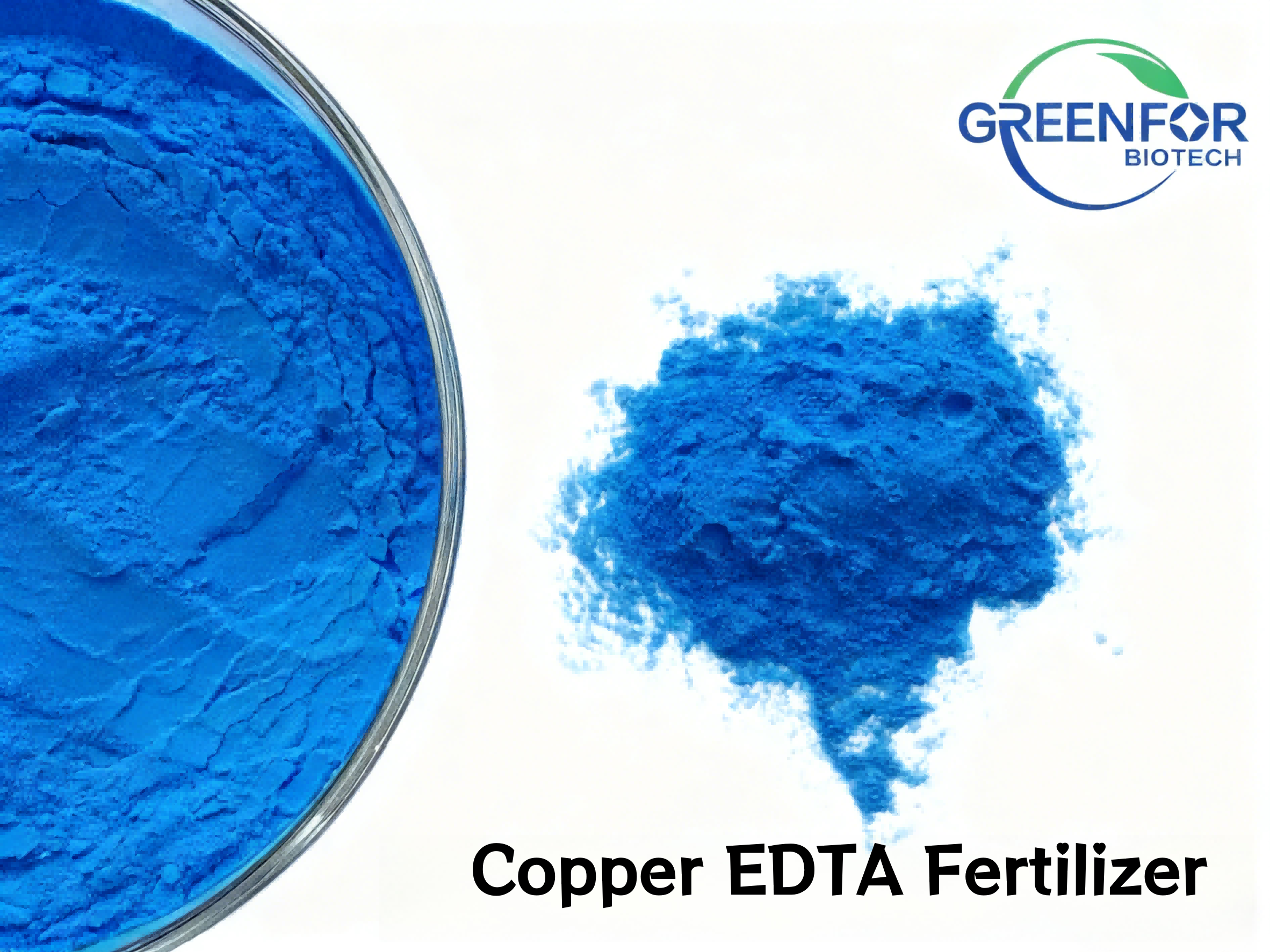
    *COPPER EDTA FERTILIZER --- GREENFOR*

    *FULVIC ACID ORGANIC CHELATED COPPER FERTILIZER --- GREENFOR*

    Share:

    HIGH-QUALITY CHELATED TRACE ELEMENTS FERTILIZER: PROFESSIONAL FEED NUTRITION SOLUTIONS

    Liquid humate: unlocking soil vitality for modern sustainable agriculture

    Related Article
    image
    HIGH-QUALITY CHELATED TRACE ELEMENTS FERTILIZER: PROFESSIONAL FEED NUTRITION SOLUTIONS
    2026-08-27
    image
    Liquid humate: unlocking soil vitality for modern sustainable agriculture
    2025-04-18
    image
    Maximize crop health with EDDHA FE 6%: the ultimate solution for iron deficiency
    2025-02-20
    image
    Fulvic acid's impact on enhanced fertilizer efficiency of nitrogen, phosphorus, and potassium nutrient consumption
    2025-01-13
    GREENFOR,the professional manufacturer of humic and fulvic acid fertilizer in China

    Products

    Blogs And News

    About Us

    Contact Us

    info@greenforbio.com

    +86 17751180129

    OFFICE

    6-1205, Joy City, Yingbin Road, Jiyang District, Sanya City, Hainan Province, China

    Factory

    Hebei Prov. & Liaoning Prov., China

    Copyright © 2019 ANPING COUNTY HUIJIN WIRE MESH CO., LTD.Supported by Rongchuangmedia .sitemap.html sitemap.xml

    SiteMap
    (431623)
    0