Unlocking the potential: the benefits of fulvic acid in agriculture and humic acid uses in plants
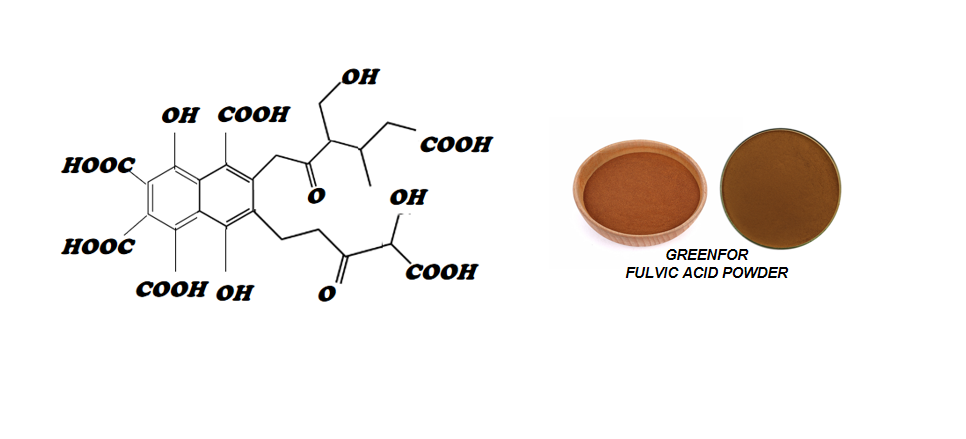
WHAT IS FULVIC ACID?
A complex collection of tiny organic molecules, including sugars, phenols, organic acids, vitamins, and minerals, make up fulvic acid. Its great degree of chemical complexity and low molecular weight are its defining characteristics. It has a high degree of solubility in water at various pH values. It may readily interact with and move nutrients in soil and water because of its solubility, highlighting one of the fulvic acid benefits in agriculture.
The strong chelating qualities of fulvic acid allow it to bind to minerals and metal ions, increasing their solubility and availability for plant absorption. Its capacity to chelate minerals plays a part in augmenting the uptake of nutrients by plants. Additionally, it interacts with soil microbes through biological activity, which encourages microbial activity and the cycling of nutrients in soil ecosystems. This interaction further underscores fulvic acid benefits for farming by enhancing soil health and fertility.
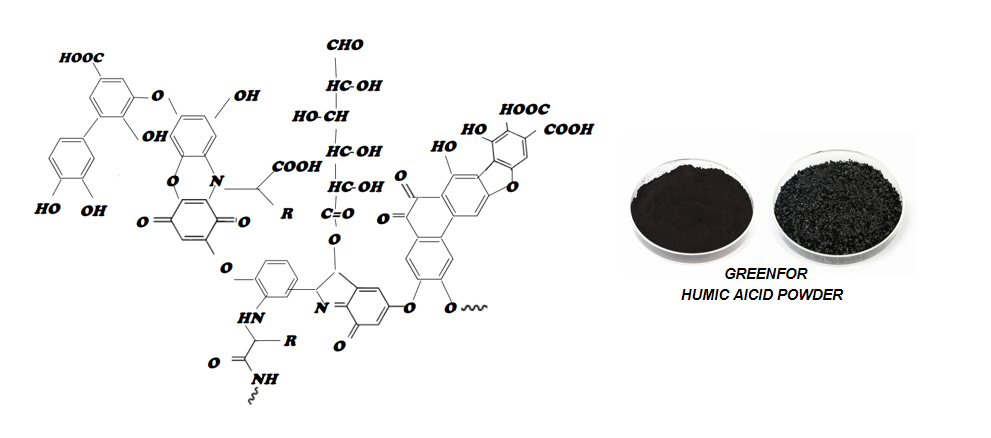
WHAT IS HUMIC ACID?
In general, humic acid gives soil or water a deeper hue, ranging from brown to black. It is made up of large molecular weight long-chain organic molecules. These molecules are produced as organic matter breaks down. They often form colloids in solutions, which means they can scatter but not completely dissolve.
A key component in enhancing soil aggregation and structure is humic acid. It supports improved root development and plant growth by improving soil aeration, water retention, and nutrient-holding capacity. One of the primary humic acid uses in plants is its ability to bind to nutrients, including potassium, phosphorus, and nitrogen, minimizing their leaching from the soil and gradually increasing their availability for plant uptake. Another significant aspect of humic acid use in plants is its role in promoting healthier root systems and overall plant vitality.
WHAT DO I NEED?
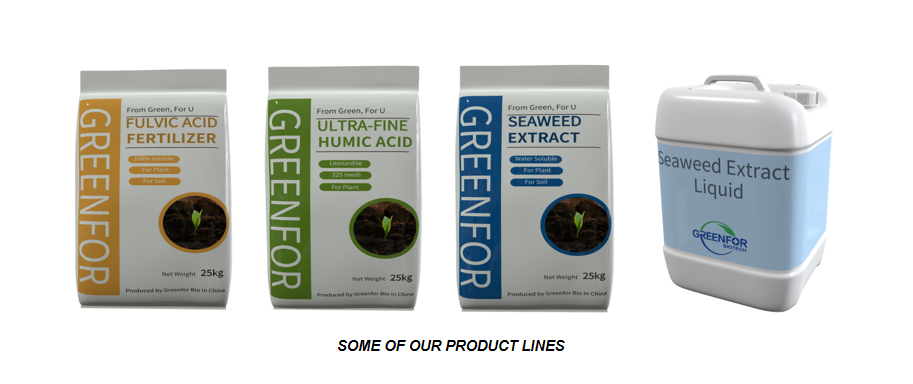
Humic and fulvic acids are both essential for healthy plants and have numerous uses in plants. Soil fertility may be increased by adding humic and fulvic acid fertilizers, which can also increase the soil's ability to hold water, its permeability, aeration, proliferation, and development of soil microorganisms. Moreover, they strengthen crops' resilience to cold, drought, and other stressors, promoting crop growth in harsh environments or during droughts.
Iron, manganese, copper, zinc, and other trace elements are fixed and released by humic and fulvic acid fertilizers, which also encourage nutrient recycling. Additionally, they improve crop output and quality by promoting growth indicators including plant height, stem thickness, and leaf thickness, as well as by stimulating root growth and enhancing crops' capacity to absorb water and nutrients.

Potassium humate manufacturer: exploring potassium humate benefits for plants