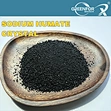


Organic NPK Fertilizer
Organic NPK fertilizer, a slow released fertilizer compound with nitrogen, phosphorus and potassium, which is mixed with organic matters such as humic acid and plant amino acids. NPK for plants has a significant promoting effect on plant growth.
The three elements contained in organic NPK fertilizer each play a unique role:
Nitrogen is one of the indispensable nutrients in plant growth and development. It is a component of important organic compounds such as plant protein and chlorophyll. Adequate supply of nitrogen can promote the growth of plant leaves and improve the photosynthesis efficiency of plants, thereby increasing the biomass and yield of plants.
Phosphorus participates in energy metabolism and material transformation in plants, and has an important influence on the root growth, flower bud differentiation, and the formation of fruits and seeds. The lack of phosphorus will lead to slow plant growth, poor root development, and reduced fruit and seed quality.
Potassium is mainly involved in regulating osmotic pressure and ion balance in plants, and plays an important role in enhancing plant resistance (such as drought resistance, cold resistance, disease resistance, etc.). Adequate supply of potassium can improve the lodging resistance of plants, improve fruit quality, and increase plant yield and quality.
_

_
ITEM | ORGANIC NPK FERTILIZER |
Total Organic matter | 20 % |
Humic Acid (dry base) | 10 % |
Amino Acid (dry base) | 6 % |
PH | 4.0 |
Total Nitrogen | 12 % |
Total K2O | 1 % |
Appearance | Black pearl |
Particle size | 2-4mm |
_

_
Improve Soil Structure:
The organic matter in the organic NPK fertilizer can increase the number of soil aggregates, making the soil loose and porous, improving the soil's air permeability, water permeability and water retention capacity, which is beneficial to the growth and respiration of crop roots.
Enhance The Soil's Ability To Retain Fertilizers And Water:
The NPK for plants fertilizer can strengthen the soil's adsorption capacity for nutrients and water, reduce nutrient loss and water evaporation, and improve the utilization efficiency of fertilizers and water. Regulate soil pH value: The NPK for plants fertilizer has a certain regulatory effect on acidic or alkaline soils, making the soil pH more suitable for crop growth and reducing the adverse effects of the soil on crops.
Promote Growth And Development:
The comprehensive nutrients in the NPK for plants fertilizer provided and the good soil environment can promote the development of crop roots, making the plants robust and enhancing the crop's stress resistance, such as drought resistance, cold resistance, and disease resistance.
_