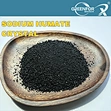


Fertilizer Contents Sodium Humate In Poultry
Sodium humate has a rather complex molecular structure with various functional groups combined with organic polymer compounds. This combination allows for strong adsorption, exchange, and comprehensive capabilities, making it highly useful in the industry. In agriculture, sodium humic acid is used as an environmental amendment to change soil structure and even as a feed additive.
Sodium humate in poultry is a good veterinary and feed additive, ideal for the production of green dairy meat and egg foods. Sodium humic acid plays a variety of roles, including enhancing the degree of immunity to bodily fluids, promoting wound healing, and influencing the endocrine system that is responsible for the livestock's quiet lethargy. Sodium humic acid also has an antibacterial, anti-inflammatory, and antiviral effect. Sodium humate in poultry is most commonly used in pig and chicken feed in daily farming. During the summer, pig and chicken water intake increases significantly, which can lead to thin feces, indigestion, and intestinal inflammation. Sodium humate has an astringent anti-diarrhea effect and can prevent the occurrence of these diseases.

ITEM | SODIUM HUMATE | ||
Humic Acid (dry basis) | 70% min | 65% min | 60% min |
PH Value | 9-11 | 9-11 | 9-11 |
Appearance | Black Flake | ||

Contributes Absorption Of Feed Ingredients:
Sodium humate in poultry itself has a large molecular weight, which allows it to link into bigger particles in some media. As a result, Sodium humate in poultry has good ion exchange and catalytic effects, forms colloidal characteristics and adsorption ability, and aids in the activation and absorption of feed ingredients. Sodium humic acid can improve gastrointestinal function, encourage protein assimilation, and completely break down all types of complicated molecular nutrients in the feed to create a suitable organic combination.
Improves Gastrointestinal Function And Promotes Protein Assimilation:
The adsorption effect of sodium humate slows down the rate at which feed nutrients pass through the intestinal tract, lengthens the time required for absorption and digestion, increases the cellular water content of muscle cells and the interstitial water volume, and improves the permeability of animal cell membranes and protoplasm.
Increase The Percentage Of Lean Meat And Reduce The Odor Of Manure:
Sodium humate in poultry is a nitrogen-rich molecule with a strong absorption effect on amino groups. Sodium humate in poultry allows the feed's non-protein ammonia to be fully utilized, converting feed protein to myosin at a higher limit to maximize lean meat growth potential and improve the proportion of lean meat. Meanwhile, residual sodium humate in the intestinal tract absorbs ammonia from the feces, which not only lessens the odor of the feces but also increases fertilizer effectiveness because of the ammonia absorption.
Enhance The Function Of The Gastrointestinal Tract:
Sodium humic acid has been shown to enhance the function of the gastrointestinal tract, encourage the growth of good bacteria in the gastrointestinal tract, prevent the reproduction of spoilage bacteria, boost appetite, and promote gastric secretion. Because sodium humic acid in digestion and absorption, it can improve the uptake and use of the mineral components in feed preparations, allowing mineral elements and multivitamins to play their full roles.

25kg bags.