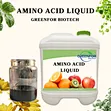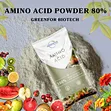


Plant Amino Acid Fertilizer 80%
A fully water-soluble plant amino acid fertilizer, derived from soybeans, is formulated to enhance plant health and resilience by providing the basic building blocks of protein. They play an important role in the physiological processes of plants, such as promoting photosynthesis, protein synthesis, and nutrient transport. Plant amino acid fertilizer is usually derived from natural plant proteins, extracted by hydrolysis or other processing methods, to enhance the efficiency of plant absorption and utilization of nutrients, improve plant stress resistance, and enhance yield quality.
This type of fertilizer is often considered to be more organic and more in line with ecological and environmental protection needs than traditional chemical synthetic fertilizers because they can provide a variety of amino acids required by plants, promote the healthy growth of plants, and reduce the negative impact of chemical fertilizers on the environment.

| ITEM | AMINO ACID | ||
| Amino Acid | 80% min | ||
| Crude Protein | 97% min | ||
| Moisture | 3% max | ||
| Solubility | 100% | ||
Raw Material | Plant-Based (Soyabean) | ||

In terms of its advantages for plants,
1. Improved Stress Tolerance: Plant amino acid fertilizer plays a crucial role in helping plants cope with abiotic stresses such as drought, salinity, and temperature extremes. Amino acid fertilizer uses in agriculture help in the production of stress-related proteins and osmoprotectants, which protect plant cells under adverse conditions.
2. Boosted Photosynthesis: Involved in the synthesis of chlorophyll, the green pigment crucial for photosynthesis. Enhanced chlorophyll production leads to better photosynthetic efficiency, resulting in healthier and more vigorous plants.
3.Environmental Benefits: Being derived from natural sources, amino acid fertilizers are more environmentally friendly than synthetic fertilizers. Amino acid fertilizer uses in trees reduce the risk of chemical runoff and soil contamination, supporting sustainable agriculture practices.
4. Improved Quality of Produce: Amino acid fertilizer uses in gardens can lead to better-quality fruits, vegetables, and flowers. They can enhance flavor, color, and nutritional content, making the produce more appealing and valuable.
-
In terms of its advantages for soil,
1. Reduced Soil Erosion: By improving soil structure and increasing organic matter content, amino acid fertilizers can help reduce soil erosion. Plant amino acid fertilizer particularly beneficial in preventing the loss of topsoil and maintaining a healthy root environment.
2. Sustainable Soil Management: As a natural and organic option, Plant amino acid fertilizer supports sustainable soil management practices. They contribute to long-term soil health and productivity, aligning with eco-friendly and sustainable agriculture practices.
3. Enhanced Nutrient Availability: Amino acids can chelate essential minerals, making them more available to plants. Amino acid fertilizer uses in crops maintain balanced nutrient levels in the soil, reducing the risk of nutrient deficiencies or toxicities.
4. PH Stabilization: The application of amino acid fertilizers can help stabilize soil PH levels. Amino acid fertilizer uses in plants creating a more favorable environment for plant roots and microbial activity.

25kg bags.